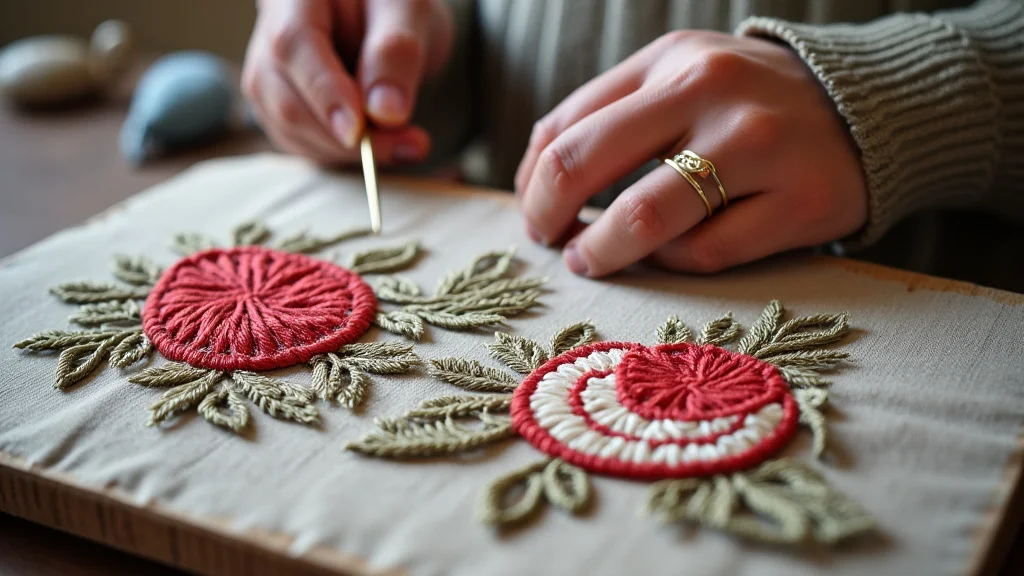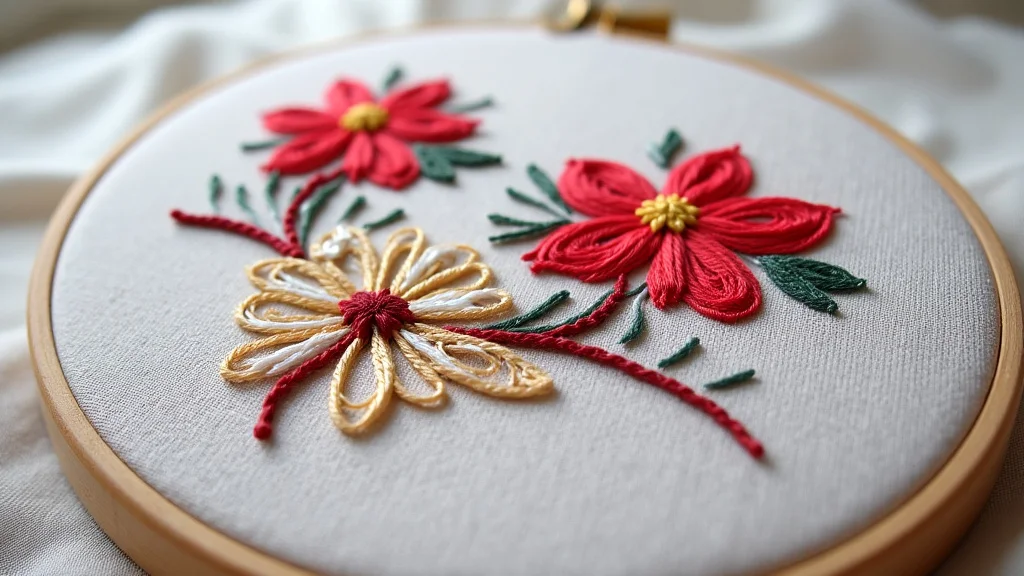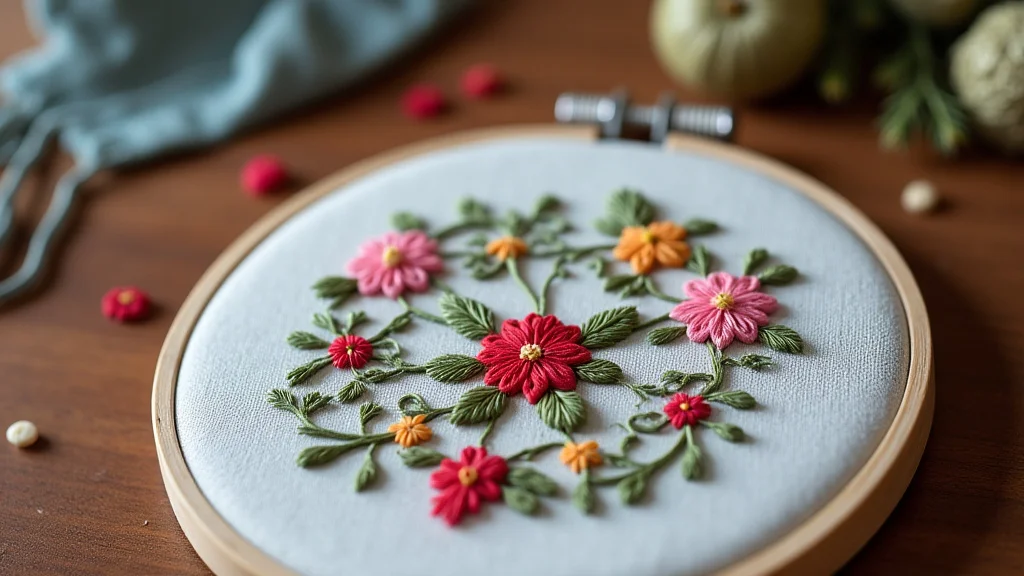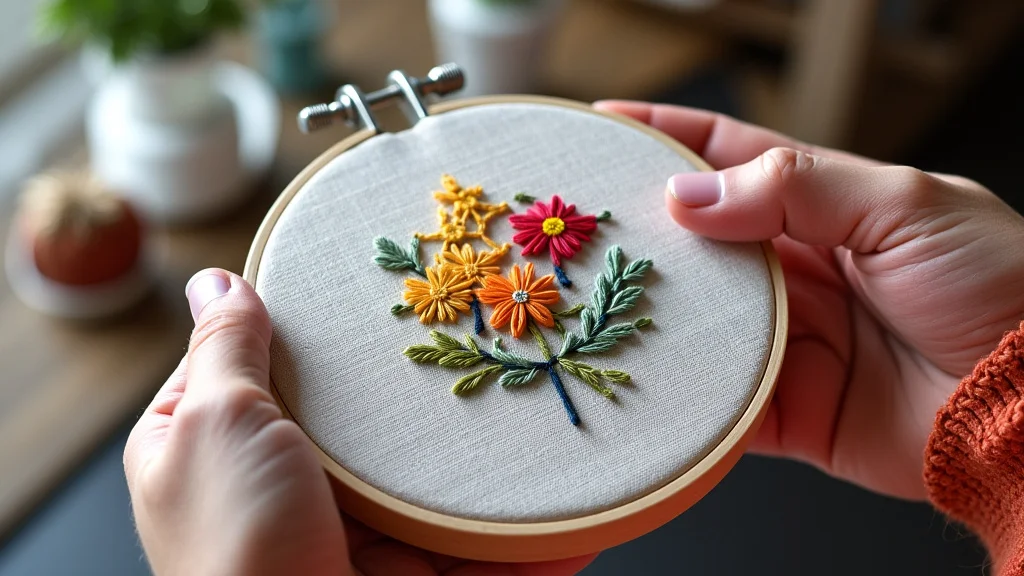
I was scrolling through my feed last week when I saw a beautiful embroidery piece shared by a friend. Intrigued, I clicked over and discovered she’d posted it in a homespun needlework facebook group. The sheer creativity and support within the group instantly drew me in. It made me realize how much I’d missed the camaraderie of sharing my own crafts. This post will help you discover the benefits of these online communities. You will learn how to find and participate in a homespun needlework facebook group to elevate your crafting skills, connect with fellow enthusiasts, and find inspiration for your next project. You’ll also get practical advice on maximizing your experience and finding your perfect needlework community.
Key Takeaways
- Find and join a homespun needlework group on Facebook for inspiration and skill enhancement.
- Learn how to participate in online needlework communities and showcase your work.
- Understand the etiquette and best practices for engaging in Facebook groups.
- Discover a supportive network of fellow crafters to share your passion.
- Gain access to valuable resources, patterns, and tutorials.
- Enhance your creative journey and build lasting connections.
Embark on Your Needlework Adventure
The allure of needlework has captivated people for centuries. From intricate embroidery to cozy knitting, these crafts offer a relaxing escape and a chance to create something beautiful by hand. However, these activities can sometimes feel isolating. Thankfully, online communities have emerged to bridge the gap and connect people from all corners of the globe. These groups provide a fertile ground for inspiration, support, and the sharing of knowledge. A homespun needlework facebook group provides access to a wealth of knowledge, shared inspiration, and friendly advice.
Finding the Right Homespun Needlework Facebook Group
The first step is finding a group that suits your style and experience level. Facebook’s search function is your best friend here. Start by typing in “homespun needlework” or related terms such as “embroidery,” “cross-stitch,” “knitting,” or “crochet” into the search bar. This will bring up a list of groups. Look for groups with an active user base, as indicated by frequent posts, comments, and engagement. Check the group’s description to ensure it aligns with your interests and the type of needlework you enjoy. Some groups specialize in specific techniques, while others welcome all forms of crafting.
Assessing Group Activity and Rules
Once you’ve identified some potential groups, take a closer look at their activity. Scroll through recent posts to get a sense of the group’s vibe. Are members actively sharing their work, asking questions, and offering support? Pay attention to the types of posts that get the most engagement. Also, carefully review the group’s rules. Most groups have guidelines to maintain a positive and supportive environment. Common rules include respecting other members, refraining from self-promotion, and appropriately crediting designers. Following these rules is key to being a good member. It shows that you value the community and are willing to contribute positively.
- Engagement Levels: Observe the number of likes, comments, and shares on posts. High engagement suggests an active and supportive community.
- Content Variety: Ensure the group welcomes different skill levels, projects, and techniques. A diverse group offers a broader range of inspiration and learning opportunities.
- Enforcement of Rules: Notice how the group moderators enforce rules to keep the community welcoming. This ensures a safe and supportive atmosphere.
If posts are frequently liked and commented on, it is a sign that the group is well-received.
Groups welcoming all types of needlework tend to have a more diverse range of members, leading to greater collaboration.
A well-moderated group provides a more positive experience for everyone involved.
Joining the Group and Introducing Yourself
Once you’ve found a group that seems like a good fit, click the “Join” button. You may be asked to answer a few questions about your crafting experience and interests. This helps the group administrators understand who’s joining and ensures that members are genuinely interested in needlework. After being accepted, it’s a good idea to introduce yourself. Create a post sharing your name, a brief description of your crafting background, and what you hope to gain from the group. You could also include a photo of a project you’ve completed. This is a great way to make a connection and start building relationships with other members.
- Crafting Background: Share your experience to help the community. Include what you love to do.
- Goals: Explain what you want to achieve. Do you want to learn new skills? Find inspiration?
- Photo of a Project: Include a photo to showcase your work. This creates a more visual introduction.
This allows other members to learn about your expertise and find common interests.
This helps other members support you. They can also connect with you for similar goals.
It’s an easy way to start a conversation and receive feedback on your craft.
Maximizing Your Homespun Needlework Facebook Group Experience
Once you’re part of a homespun needlework facebook group, there are ways to ensure you have a rewarding experience. Active participation will make you feel more involved. Remember to respect other members and follow the group rules.
Sharing Your Work and Seeking Feedback
Don’t be shy about sharing your work. Post photos of your finished projects, works in progress, or even works you are struggling with. Share details about the patterns, materials, and techniques you’ve used. This helps other members appreciate your craft and learn from your work. Don’t be afraid to ask for feedback. The group is a safe space to get constructive criticism and fresh ideas. Be open to suggestions and use the feedback to grow. You can learn from your peers.
- Project Details: Provide context with your posts. Explain the details of your projects, including the pattern, materials, and techniques used.
- Asking for Feedback: Ask for feedback on areas you find challenging. Be open to suggestions.
- Constructive Criticism: Be aware of how you ask for help. Be specific in your requests.
This helps other members appreciate your craftsmanship and understand the process.
Asking for feedback is a great way to improve and learn from others’ experiences.
The more specific you are in your request, the more helpful feedback you’ll receive.
Asking Questions and Offering Support
Don’t hesitate to ask questions. If you’re stuck on a particular stitch, confused about a pattern, or unsure about a technique, the group is a great resource. Other members are usually willing to offer advice and guidance. When answering questions, be patient, and remember that everyone is at a different skill level. Be generous with your knowledge and offer support to other members. Helping others is a rewarding experience and strengthens your sense of belonging within the community. It also helps boost the collective expertise.
- Asking for Help: Be specific when asking questions. Provide as much detail as possible to help others understand your issue.
- Offering Support: If you see someone struggling, offer your assistance. This helps build a supportive community.
- Respectful Communication: Keep your communication respectful. Everyone in the group brings different viewpoints.
Detailed questions enable people to provide the best advice and solutions.
Helping others is a great way to improve your sense of community.
A group can only be successful if all members are respectful.
Respecting Copyright and Ethical Practices
Always respect copyright laws and ethical practices. When sharing patterns or tutorials, credit the designer. Never claim someone else’s work as your own. When using patterns or designs that you purchased, adhere to the terms of use. Do not share copyrighted materials without permission. Promoting ethical behavior helps keep the group positive.
- Crediting Designers: When sharing projects based on patterns, credit the designers.
- Following Copyright Laws: Respect copyright laws and avoid sharing or distributing copyrighted material without permission.
- Personal Use vs. Commercial Use: Understand the difference between personal and commercial use. Some patterns are for personal use only.
Giving credit is the right thing to do. It also helps fellow crafters find the original patterns.
This ensures you are acting in good faith and respecting the designers.
This can help you avoid making mistakes that may be detrimental to your own work.
Exploring Resources and Inspiration
Beyond the interactions with other members, a homespun needlework facebook group provides access to invaluable resources and inspiration. From tutorials to free patterns, these groups are treasure troves of creative content.
Accessing Patterns and Tutorials
Many groups share patterns, tutorials, and tips. Some members may create their own tutorials or recommend helpful resources they’ve found. This is a great way to learn new techniques and try different projects. Be sure to check the group’s rules regarding sharing or requesting patterns. Some groups may have specific guidelines or restrictions on this. Take advantage of the shared knowledge and expand your skills.
- Free Patterns: Look for patterns shared in the group or linked by members.
- Tutorials: Keep an eye out for tutorials on techniques or project ideas.
- Resource Sharing: Take advantage of members sharing helpful tips and tools.
A good group is full of ideas and tutorials.
The more you learn, the better your chances are to enhance your skills.
This enhances the overall group experience and lets you get even better.
Finding Inspiration and Ideas
The group members’ shared work can provide inspiration and ideas for your next project. It can be a great place to discover new patterns, color combinations, or techniques. Scroll through the group’s photo albums or search for specific projects that interest you. The group is a source of creative inspiration. Some members may share their work in different styles. This can broaden your scope and help you discover new projects. You can find out more about the different crafts and techniques by joining the group.
- Photo Albums: Explore the group’s photo albums to find inspiration for projects.
- Technique Ideas: Get ideas for improving your techniques. The group offers many tips.
- Creative Projects: Discover new creative project ideas and styles.
You can find inspiration for your own projects.
You may be able to expand your skills with new techniques.
You can share projects and discuss them with the group.
Staying Updated on Trends
The group can be a source of current trends in needlework. Many group members will be up-to-date with the latest designs and techniques. This can help you stay current and try new things. Keep an eye out for discussions about the latest materials, patterns, and trends. You can also ask questions. The group offers an exciting and valuable way to expand your expertise.
- Current Designs: Discover the newest designs and patterns.
- Latest Techniques: Learn the newest techniques.
- Materials Trends: Discover the most popular materials and tools.
You will always know what is trending by joining the group.
You will be able to take advantage of the most current needlework techniques.
Find the best materials to enhance your needlework.
Building Community and Friendships
A homespun needlework facebook group is about more than just crafts; it’s about building a community of like-minded individuals. Forming friendships, sharing experiences, and finding support can transform your crafting journey. Making friends will make your craft even more rewarding.
Connecting with Like-Minded Individuals
One of the best things about joining a crafting group is connecting with people who share your interests. You can find other enthusiasts who share your passion for needlework. Share experiences and discuss challenges. You can share your knowledge and enthusiasm. It’s a great opportunity to expand your social circle. This community is a place to connect and create friendships.
- Common Interests: Connect with others who share your passions.
- Support and Motivation: Find support and motivation from other members.
- Shared Experiences: Share and learn from shared experiences.
You can discuss your craft with others in the group.
Encourage each other and see your skills improve.
Learn tips and tricks that help others with their projects.
Sharing Experiences and Celebrating Achievements
The group offers a space to share your experiences and celebrate your achievements, big or small. Share photos of completed projects and celebrate personal milestones. The group is a supportive community that helps you reach your goals. They also support your projects, which boosts your confidence. By encouraging each other, members create a positive and uplifting environment. It helps build a strong sense of community.
- Project Showcasing: Share pictures of completed projects. Celebrate successes together.
- Personal Milestones: Share your wins and celebrate your progress.
- Encouragement: Provide and receive encouragement. Celebrate each other’s work.
You can receive feedback and encouragement.
Be proud of the skills and experiences you have gained.
The encouragement helps all group members.
Organizing Local Meetups and Events
Many Facebook groups arrange local meetups. These are a great way to connect with group members face-to-face. Events include workshops, crafting circles, and craft fairs. These events allow you to practice your crafts with others. You can also share techniques. Participating in these activities boosts the community spirit and strengthens friendships. This can be great fun and increase your skills.
- Meetups: Attend local meetups to connect with members.
- Workshops: Attend workshops and crafting circles to share skills.
- Group Events: Join group events to share knowledge and fun.
You can develop deeper relationships.
You can explore new techniques and learn even more.
You can support each other and build camaraderie.
Common Myths Debunked
Myth 1: Facebook Groups are for Beginners Only
Many people believe that Facebook groups are solely for beginners. However, these groups attract people of all skill levels, from beginners to experienced crafters. Experienced crafters can share their expertise, offer guidance, and mentor other members. Groups are about sharing a passion for needlework, regardless of experience level. Many expert crafters offer a wealth of knowledge.
Myth 2: It’s All About Selling and Self-Promotion
Another misconception is that the primary purpose of a Facebook group is for members to sell their work or promote their businesses. While some groups may have specific rules about occasional self-promotion, the primary focus is on sharing, learning, and fostering a community of needlework enthusiasts. The focus of the group should always be on sharing and mutual support. It is not designed to be a marketplace.
Myth 3: Online Communities Are Detached and Impersonal
Some individuals believe online communities are distant and impersonal. In reality, well-managed Facebook groups can be very warm and supportive. Many members form strong friendships and develop genuine connections with others, sharing personal stories and offering emotional support during difficult times. These online communities are often very supportive, and they provide a sense of belonging.
Myth 4: You Must Be Tech-Savvy to Participate
There’s a myth that you need to be tech-savvy to engage in Facebook groups. The platform is designed to be easy to use. Basic computer skills are enough to participate. It’s user-friendly and intuitive. You just need a Facebook account to join and post. It is easy to participate, no matter your tech skills.
Myth 5: It’s a Waste of Time
A common misconception is that spending time in a homespun needlework facebook group is a waste of time. However, these groups can offer numerous benefits, including inspiration, learning opportunities, social connection, and a sense of belonging. The time spent in these groups is time invested in personal growth and creative fulfillment. It can be a very valuable use of your time.
Frequently Asked Questions
Question: How do I find the right homespun needlework group?
Answer: Use Facebook’s search function and type in relevant keywords like “embroidery,” “cross-stitch,” or “knitting” to find groups that match your interests.
Question: What’s the etiquette for posting in a Facebook group?
Answer: Always follow the group rules, credit designers when sharing patterns, and be respectful of other members and their work.
Question: How do I share my work in the group?
Answer: Post photos of your finished projects, works in progress, or any crafting-related questions you have.
Question: What if I’m a beginner? Is the group for me?
Answer: Yes, groups welcome all skill levels. They are a great place to learn, ask questions, and get support.
Question: How can I build friendships in a Facebook group?
Answer: Introduce yourself, actively participate in discussions, offer support to others, and consider attending local meetups.
Final Thoughts
A homespun needlework facebook group is more than just a place to share your projects. It is a supportive ecosystem where creativity thrives and connections blossom. From finding inspiration for your next project to sharpening your skills and building new friendships, these online communities provide many avenues for personal and artistic growth. By actively participating, you can discover new techniques, connect with like-minded crafters, and become part of a movement that is all about supporting, encouraging, and celebrating the art of needlework. Your experience will be enhanced by showing respect, offering encouragement, and sharing your knowledge. Take the time to explore and get connected to a supportive needlework community. You will discover many new ideas, enhance your craft, and build connections that add joy to your creative journey. So, grab your needles, thread, and join the conversation!