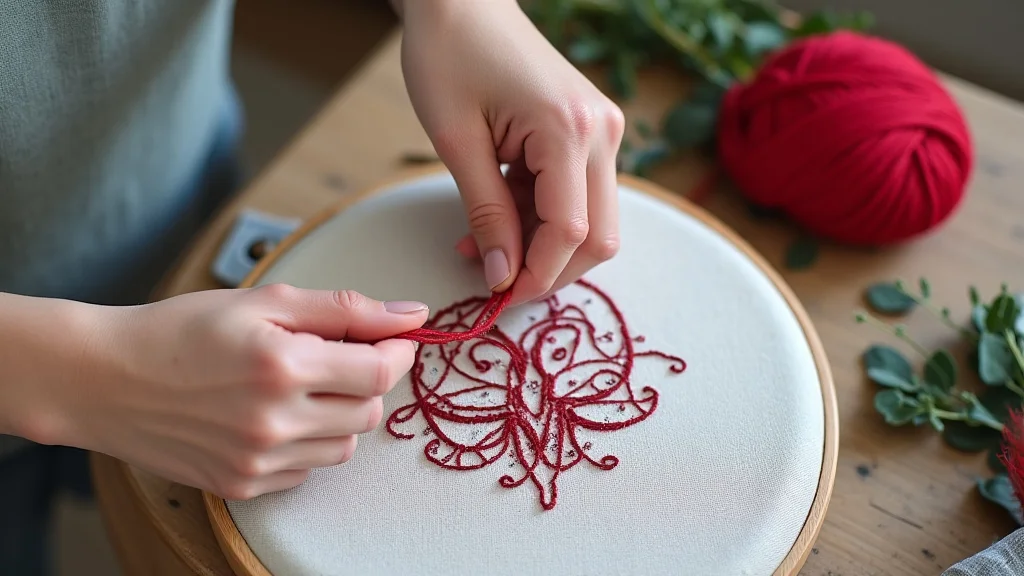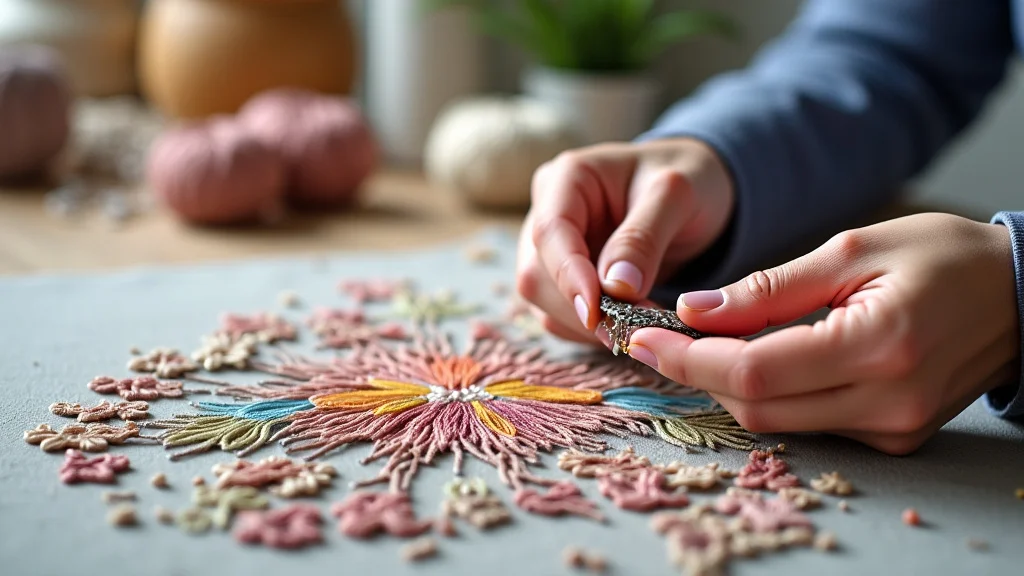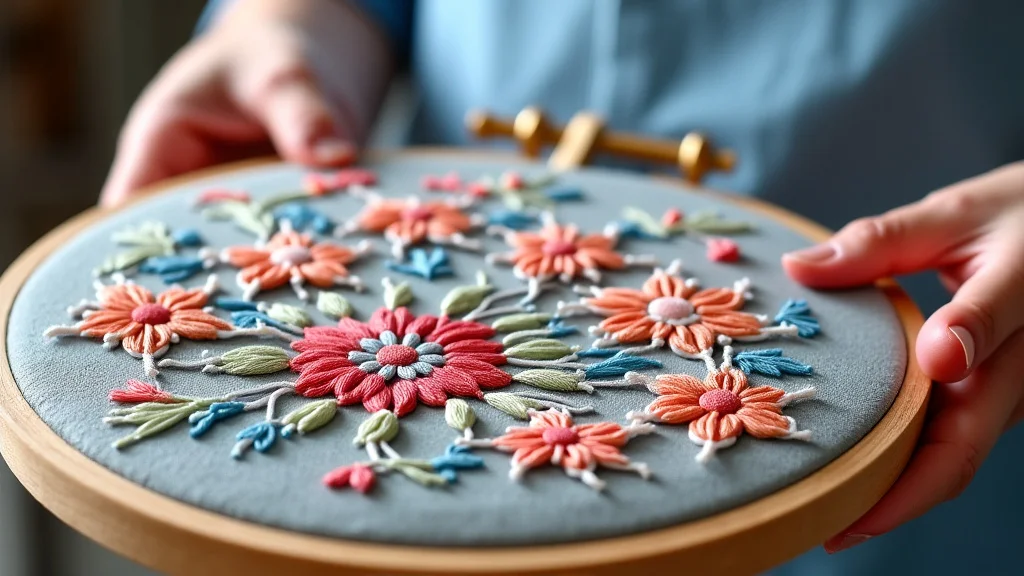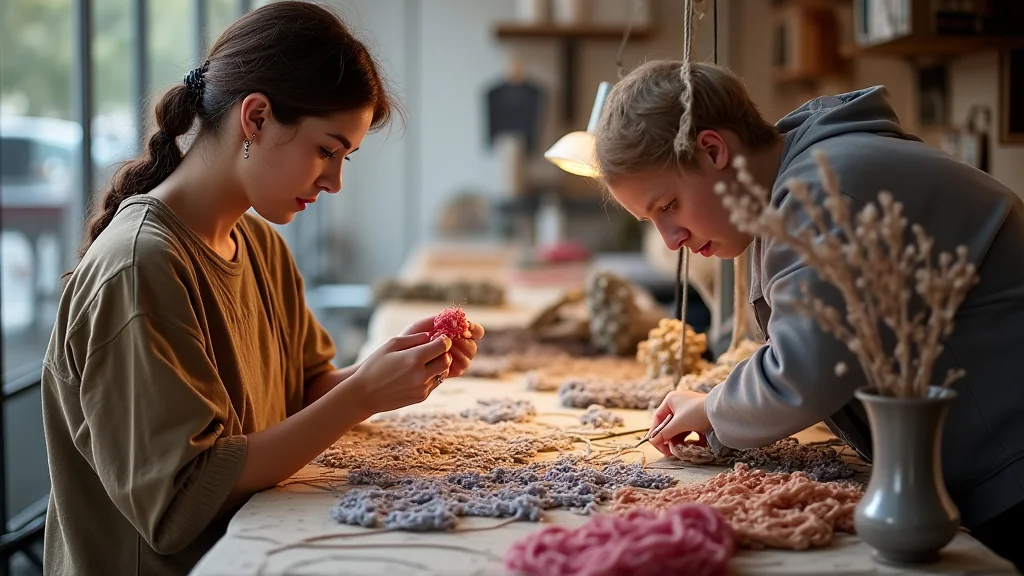
Picture this: you’re strolling through the vibrant streets of Houston, and a beautifully embroidered textile catches your eye. Perhaps it’s a unique piece of art, or maybe a lovingly stitched garment. Chances are, it’s related to chandail needlework Houston, a craft that’s been captivating individuals for generations. This article will help you discover the local scene for chandail needlework. You’ll gain valuable insights into different techniques, find local resources, and learn where to find classes and supplies. Get ready to expand your crafting horizons!
Key Takeaways
- Learn about the history and different types of needlework.
- Discover local shops and instructors specializing in chandail needlework.
- Explore various embroidery techniques and their applications.
- Find out how to start your own needlework project.
- Understand the benefits of engaging in chandail needlework.
- Learn about community and educational resources for crafters.
The Allure of Chandail Needlework Houston
Chandail needlework, at its core, involves using a needle to create designs on fabric. While the specific techniques and materials vary, the fundamental principle remains the same: passing a thread through a fabric to form stitches. It’s an accessible craft, suitable for beginners and seasoned artists alike. The term encompasses a range of techniques, from simple embroidery stitches to complex canvas work. Its flexibility allows for both functional and decorative applications, from clothing embellishment to creating artwork.
The beauty of chandail needlework lies in its versatility. You can personalize clothing, create home decor items, or even express your artistic vision on a piece of fabric. The tools are relatively simple, and the learning curve can be gradual. You can start with basic stitches and progressively expand your skill set. The availability of diverse supplies and a thriving community also make chandail needlework an engaging and rewarding hobby.
A Brief History and Evolution
Needlework’s roots stretch back to ancient times, with evidence of embroidery found in various cultures throughout history. Early examples were functional, used to repair and reinforce garments. Over time, it evolved into a decorative art form, adorning clothing, tapestries, and other objects. The styles, materials, and techniques have evolved, but the desire to create beautiful and expressive textiles remains a constant. Chandail needlework, as we know it, is a contemporary extension of this rich legacy.
The craft’s evolution reflects shifts in cultural trends, available materials, and technological advancements. What began as simple stitching techniques has grown to include countless variations, enabling creative expression. From hand-stitched tapestries to machine-made embroideries, the methods and applications of the craft have become increasingly diverse. Each era has added its distinct artistic perspective to the craft.
-
Ancient Origins: Evidence of rudimentary embroidery has been found in archaeological sites worldwide, showcasing the craft’s long history. Early examples focused on function, reinforcing clothing.
The first examples were likely utilitarian, used for mending and reinforcing clothing. The techniques were basic, using natural fibers and simple stitches. As civilizations advanced, so did the craft.
-
The Middle Ages: Needlework gained prominence, with elaborate designs and techniques used in religious and courtly contexts. Tapestries and liturgical textiles were common, showcasing the craft’s artistic potential.
Guilds and specialized workshops developed during this era, enabling the production of intricate and valued pieces. Colors and techniques expanded, reflecting the economic prosperity of the time.
-
The Renaissance: Embroidery flourished, becoming a symbol of status and wealth. Complex designs and luxurious materials, such as silk and gold thread, were employed. The craft was practiced by both men and women, reflecting social changes.
Artistic exchange between different cultures contributed to the development of new styles and techniques. The availability of imported materials enhanced the beauty and complexity of the embroidery.
-
The Modern Era: The Industrial Revolution brought about the mechanization of embroidery, enabling mass production. Hand embroidery continued to be practiced, and new techniques emerged, expanding the options available to artists.
The development of new fabrics and threads enhanced the creative possibilities of the craft. The rise of machine embroidery revolutionized the production, opening opportunities for wider applications.
Chandail Needlework Styles and Techniques
Chandail needlework employs a variety of techniques. Each technique produces distinct textures, patterns, and visual effects. The skills range from simple surface embroidery to elaborate canvas work. The variety is a major appeal, allowing practitioners to explore different forms of creative expression. The choices open a wide range of creative avenues for individuals.
Understanding these techniques is important. It opens up different possibilities for your projects. You can select techniques that match your artistic vision and project goals. Each technique offers opportunities for learning and expansion.
-
Surface Embroidery: This involves stitching on the surface of the fabric. Stitches are applied to the fabric to create patterns. This is the most common and versatile form of needlework, encompassing a wide range of stitches and applications.
Surface embroidery is popular for its simplicity and adaptability. It can embellish clothing, create artwork, or decorate home decor items. From simple chain stitches to intricate French knots, the variations are almost limitless.
-
Cross-Stitch: This is achieved by creating X-shaped stitches. This technique is often used to create detailed patterns and images. It is commonly worked on a grid-like fabric like Aida cloth.
Cross-stitch is known for its neat, graphic aesthetic and is popular for creating counted designs. It’s often used for samplers, home decor items, and personalized gifts. The technique is also good for beginners.
-
Canvas Work: This involves stitching on a mesh canvas. The stitches cover the canvas completely. This technique creates a dense, durable fabric and is often used for creating items like bags and cushions.
Canvas work allows for complex designs. It offers a variety of specialized stitches. Techniques like needlepoint and petit point are forms of canvas work.
-
Needlepoint: Also known as canvas embroidery, it uses a variety of stitches to create designs on canvas. Needlepoint is a traditional form that offers many textures and design options.
Needlepoint is known for its durability. It is perfect for creating durable items. Various stitches can create diverse textures and designs.
Finding Your Place in the Chandail Needlework Houston Scene
Houston offers many resources. Whether you’re a novice or an experienced artist, you’ll find various shops, classes, and organizations that support the local chandail needlework Houston community. From specialized yarn shops to community centers, the city provides opportunities to connect, learn, and showcase your skills.
The city’s diverse culture enriches the crafting community. You can find unique materials and inspiration from various sources. These local assets provide support and inspiration.
Local Shops and Suppliers
Local shops and suppliers are valuable resources. They provide materials, advice, and opportunities to connect with fellow crafters. From specialized yarn shops offering a variety of threads and fabrics to community centers hosting crafting events, the Houston scene has numerous options for enthusiasts.
These local businesses often have experienced staff, who offer advice and guidance. They can help you source the best materials for your projects. The shops create a space for inspiration, learning, and collaboration.
-
Specialty Yarn Shops: These stores offer a wide selection of threads, fabrics, and tools. They also provide classes and workshops. Some may also offer project support.
These shops are perfect places to browse and discover new materials. They often host events and create a community.
-
Art Supply Stores: These shops often stock embroidery supplies, including fabrics, needles, and threads. They often offer a wider selection of art and craft materials. They can be a good choice for those seeking a one-stop-shop.
They carry everything from basic sewing notions to high-quality art supplies. The staff offers expertise and guidance.
-
Online Retailers: Online shops provide convenience and access to a broad range of products. They often offer competitive pricing. You can also explore shops outside of Houston.
Be sure to verify product quality and review the vendor’s reputation before purchasing. This approach makes shopping from a distance accessible.
Classes and Workshops in the Area
Taking classes and attending workshops is a great way to learn. Local instructors provide instruction. They help you to improve your skills. They allow you to connect with fellow enthusiasts. From introductory courses to specialized workshops, the options are varied and tailored to different skill levels.
Classes and workshops offer structured learning environments. They provide hands-on experience and direct feedback from instructors. They also offer opportunities for building connections and getting support from other learners.
-
Community Centers: Often offer classes and workshops. They are often affordable and easily accessible. They allow beginners to explore a variety of crafts.
Community centers often host courses for a range of skill levels. The course fees are usually manageable. It is an ideal way to begin your crafts journey.
-
Local Yarn Shops: Some shops offer regular classes and workshops. These are good places for learning and building community. They often have experienced instructors.
These workshops provide guidance. The staff can help with techniques and project support. They create a supportive environment.
-
Independent Instructors: Many independent instructors offer private lessons. They offer the opportunity to personalize your learning experience. These classes help to cater to specific needs.
The custom instruction offers personalized attention and feedback. These instructors can create programs around your needs. They can also offer lessons in your home.
Getting Started with Your Chandail Needlework Project
Beginning a chandail needlework Houston project can be fun. It involves selecting materials, tools, and a design. The initial steps may seem overwhelming, but starting small and building gradually is key to a rewarding experience. Breaking down the process into easy stages is a good approach.
As you gain experience, you can take on more complex projects. Starting with simpler designs will give you more confidence. It will help you develop the skills and experience you need to tackle more advanced work.
Selecting Materials and Tools
The materials and tools you select will influence your project. You will need fabric, needles, threads, and scissors. Choosing the right supplies will enable success. Selecting materials that fit the project’s scope will improve the experience.
Materials come in many forms, each with unique features and aesthetics. Threads range from cotton and silk to metallic or blended varieties. Needles come in a variety of sizes and shapes. Quality scissors can also make a big difference.
-
Fabric: Choose the appropriate fabric for your project. Consider the texture, weave, and weight. Aida cloth is often used for cross-stitch. Linen is also popular.
Fabric choice will affect stitch appearance. The wrong material can impact the outcome. For beginners, a looser weave makes the process easier.
-
Needles: Select the correct needles for your thread and fabric. Needles are available in many sizes and shapes. The right needle will affect your results.
Needle size should match your thread thickness. Choose a blunt-tip needle for cross-stitch. Pick a sharp needle for general embroidery.
-
Threads: There are many thread options, including cotton, silk, and synthetic blends. Each thread type offers unique characteristics. The best thread is a matter of preference.
Consider the appearance and durability when selecting your thread. Perle cotton is a versatile option for various embroidery stitches. Silk threads provide a luxurious finish.
-
Scissors: Have a good pair of sharp scissors or snips. This will help with cutting threads and trimming fabric.
Good scissors prevent fraying and make clean cuts. They are essential for a professional finish. Keep your scissors dedicated to embroidery.
-
Hoops and Frames: Consider using a hoop or frame to keep your fabric taut while you are stitching. These tools make the process easier. They are optional but helpful for many projects.
Hoops and frames keep the fabric from distorting. Using them will help the stitching stay even. These tools improve the overall quality of your work.
Choosing a Design and Starting Your Project
After gathering your tools, select a project that matches your skill level and interests. Simple designs and clear instructions are best for beginners. Look for patterns that include a thread key and stitch guide. Clear design instructions improve the process.
Beginners can often start with simple patterns to gain experience. Experimenting with different stitches and techniques will give you a better feel. Once you master the fundamentals, you can increase the complexity. It is about growing one step at a time.
-
Choose a Simple Design: Start with a design that’s easy to follow. Select a pattern with basic stitches. Begin with simple shapes or lettering.
Consider a pattern that offers color charts and stitch keys. Make sure the instructions match your skill level. Many online resources offer free patterns.
-
Transfer the Design: If needed, transfer the design onto your fabric. The transfer method should match the fabric and your chosen design. Use a water-soluble pen or tracing paper.
You can transfer a design using different tools. For cross-stitch, use the printed chart as a reference. Use an embroidery hoop to keep your fabric taut.
-
Prepare Your Materials: Cut your fabric to the size needed. Thread your needle with the appropriate thread. Ensure your supplies are ready before starting.
Prepare your work area by organizing your supplies. This will reduce frustration and improve your flow. Make sure you have enough thread for the project.
-
Start Stitching: Begin stitching, following the pattern. Use the correct stitch for the design. Take your time, and enjoy the process.
Follow the directions carefully, and review each step. Practice basic stitches before beginning the entire project. Consider stitching in a well-lit area.
-
Finish Your Project: Once you are finished, remove your work from the hoop. Carefully trim any loose threads. You can wash and iron it for a clean finish.
You can create a custom frame for your project. Consider gifting your work to someone special. The finished piece is a tangible display of your work.
The Benefits of Embracing Chandail Needlework
Chandail needlework Houston has benefits beyond the creation of beautiful items. It offers creative expression, and stress relief. It allows you to become part of a community. The activity offers mental, emotional, and social advantages. It provides a means to find joy in the process.
The craft promotes mindfulness and encourages creativity. It’s a great way to unwind and express your individual style. Engaging in the craft can be both a hobby and a source of mental wellness.
-
Stress Reduction: The repetitive motion of stitching is therapeutic. It helps to calm the mind. It offers an escape from daily worries.
The craft allows for a focused, relaxing activity. It helps reduce stress hormones. Many people find the process meditative.
-
Creative Expression: Needlework is an outlet for creativity. It lets you express your personal style. It can be a very powerful way to create something unique.
Choose colors, patterns, and designs that match your interests. You can customize projects to reflect your tastes. The creative possibilities are immense.
-
Skill Development: The activity is a way to develop fine motor skills and hand-eye coordination. It expands your practical and artistic abilities. It also offers the chance to learn new things.
You will improve your patience and attention to detail. Learning new techniques boosts your abilities. Each project provides new opportunities for growth.
-
Community and Connection: The craft can connect you with others. You can share your work. Joining a group can create lasting relationships.
It provides a platform for sharing knowledge and support. The social aspect enhances your experience. The community provides inspiration.
-
Mindfulness and Focus: Needlework requires concentration, which can reduce mind-wandering. It offers an opportunity for a calm, centered experience. It enhances mental clarity.
The craft can promote mindfulness and reduce mental fatigue. Focus can help with other aspects of life. It creates a space for reflection.
Common Myths Debunked
Myth 1: Needlework Is Only for Older People
The reality is that needlework has found its audience among all age groups. While it has been historically favored by older generations, the craft is now enjoyed by all ages, genders, and backgrounds. The craft’s appeal transcends age demographics, attracting young adults and teens. Modern patterns and resources have made the craft more accessible and appealing to a wider audience.
Myth 2: It’s Too Difficult for Beginners
Many assume that needlework requires advanced skills. The truth is that needlework is accessible to beginners. With simple patterns, clear instructions, and online resources, it is easy to learn the fundamentals and begin. There are many beginner-friendly projects and techniques. Patience and persistence are key, but the learning curve can be gradual.
Myth 3: Chandail Needlework is Expensive
While certain projects might use luxurious materials, needlework can be affordable. The initial investment in supplies is relatively low. Many basic tools are inexpensive. You can source affordable materials. Access to online patterns, free projects, and community swaps reduce costs. The craft provides avenues for creative expression without requiring a large financial outlay.
Myth 4: Needlework Is Time-Consuming and Tedious
Needlework is a process, and it does require time and patience. Many people find it relaxing and rewarding. You can work at your own speed and enjoy the process. The process itself can be a source of pleasure and stress relief. The finished product is a unique, satisfying creation.
Myth 5: Chandail Needlework Is Just for Women
Needlework is not restricted to any gender. Men have participated in this practice for centuries. The craft is an inclusive activity, welcoming anyone who wants to learn and create. Modern society challenges gender stereotypes. This allows people to enjoy hobbies regardless of gender.
Frequently Asked Questions
Question: What’s the best way to get started with chandail needlework?
Answer: Begin with basic stitches and easy patterns. There are many beginner-friendly resources.
Question: Where can I find patterns and designs?
Answer: Local shops, online retailers, and libraries offer many options.
Question: What are the best fabrics for embroidery?
Answer: Aida cloth, linen, and cotton are popular choices.
Question: How do I choose the right needle?
Answer: The needle size should correspond with the thread thickness and fabric.
Question: Is there a chandail needlework group near me?
Answer: Yes, check local shops, community centers, and online forums.
Final Thoughts
Engaging in chandail needlework Houston is more than simply creating embroidered items. It’s a way to engage with a historical art form. The process is a form of self-expression. By exploring the craft, you become part of a supportive community. It gives you a way to relax, develop skills, and create items that tell your story.
The best way to start is to take action. Visit a local shop, find a class, or buy a starter kit. Be patient with yourself, embrace the learning process, and enjoy the satisfaction of creating something special. Your journey can begin today. Start stitching, and see where your creativity takes you.