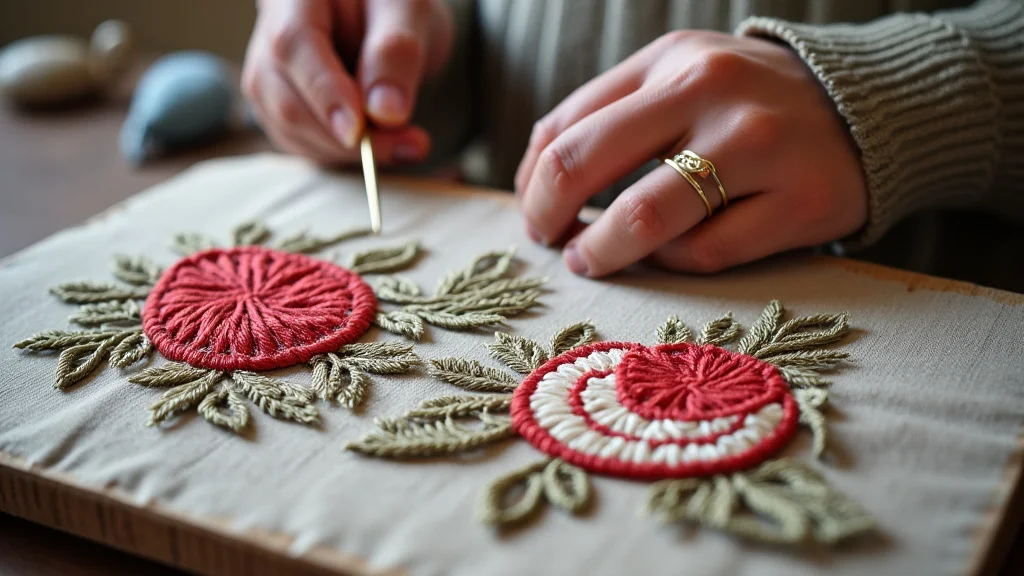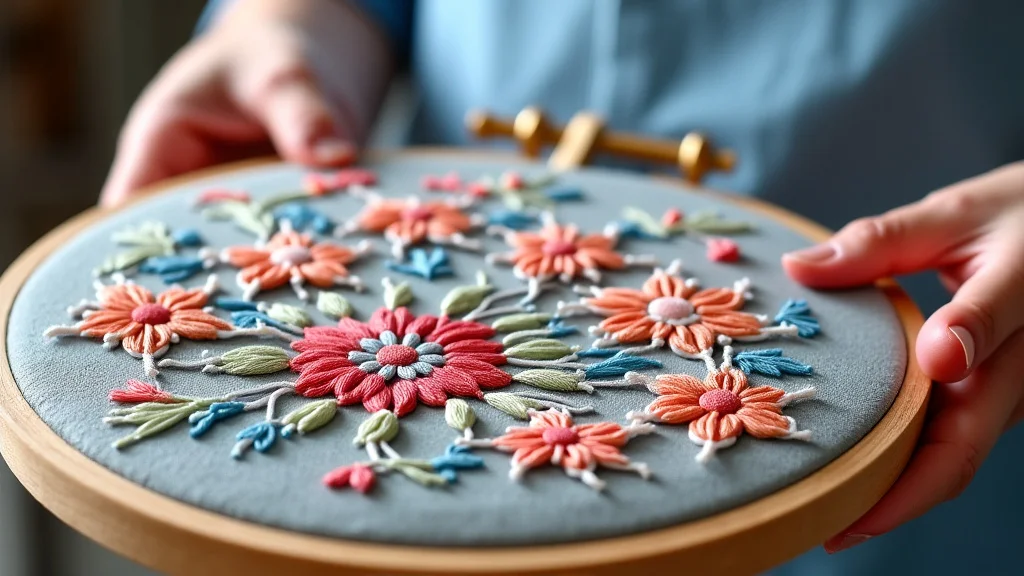
Remember that feeling of finally finishing a cross-stitch project, the satisfaction of creating something beautiful with your own two hands? Crafting is a timeless activity, and the needlework marketplace is always growing. But how will we buy and sell these handmade treasures in the future? This blog post will explore the current state of the needlework market and predict how it will transform in the coming years. You’ll gain a glimpse into emerging trends, digital platforms, and the evolving relationship between artisans and consumers. You’ll learn what to anticipate as technology and consumer habits change the way we approach needlework. Get ready to explore the exciting possibilities that await!
Key Takeaways
- The needlework marketplace will see an increase in personalized shopping experiences.
- Digital tools will play a crucial role in connecting artisans and customers worldwide.
- Sustainability and ethical sourcing will become key consumer values.
- New technologies, such as 3D printing, could revolutionize crafting supplies.
- Community building and online workshops will become more significant.
- The demand for unique, handmade items will continue to grow.
The Current State of the Needlework Marketplace
The needlework marketplace today is a vibrant mix of brick-and-mortar craft stores, online platforms, and individual artisans selling their creations. You can find everything from basic embroidery floss to intricately designed patterns. E-commerce has significantly expanded the market’s reach, making it easier for crafters to showcase and sell their work to a global audience. Platforms like Etsy have created spaces for independent sellers, enabling them to connect directly with customers. Social media also plays a vital role, allowing artisans to promote their products, share their creative process, and build communities around their craft. The current market is already shaped by convenience, personalization, and the desire for unique, handcrafted items. However, the future holds much more innovation and change.
The Rise of E-Commerce and Digital Platforms
The digital landscape has transformed how we buy and sell everything, and the needlework marketplace is no exception. E-commerce platforms provide a central location for crafters to sell their goods, connect with customers, and manage their businesses. These platforms offer tools for product listings, payment processing, and shipping, simplifying the selling process. Online marketplaces remove geographic limitations, allowing artisans to reach customers worldwide. Social media platforms, such as Instagram and Pinterest, are also powerful marketing tools for needlework artists. They use visual storytelling to showcase their work, build brand awareness, and drive traffic to their online stores. The convenience of online shopping, along with the appeal of unique, handmade items, has fueled the growth of e-commerce in the needlework industry.
- Increased Accessibility: E-commerce makes it easier for artisans to reach a global audience. Before, local markets or physical stores limited reach.
- Simplified Operations: Platforms offer tools for product management, payment, and shipping, taking the pressure off artists.
- Direct-to-Consumer Relationships: Artists can build direct connections with customers, fostering brand loyalty. This is especially true of platforms that help buyers connect with sellers.
- Data-Driven Insights: E-commerce provides data on customer behavior and sales trends, helping artisans to make informed decisions.
Digital platforms have facilitated the rise of curated collections, subscription boxes, and personalized recommendations. These elements provide an immersive shopping experience. For example, a customer might find a subscription box containing exclusive fabrics, patterns, and tools. This approach simplifies the shopping experience for consumers while giving artists exposure to new customers. The future is focused on creating dynamic shopping experiences that promote discovery, learning, and community interaction.
The Importance of Community and Connection
The needlework world is about more than just creating objects; it’s about connection and community. Online groups, forums, and social media pages offer spaces for artisans to connect, share their work, provide support, and ask questions. Local craft guilds and workshops provide opportunities for learning, mentoring, and social interaction. Community building provides a support system for crafters, fostering creativity, and inspiration. The shared experience of crafting, learning from each other, and celebrating achievements strengthens the bond between artisans. Strong communities also help artists market their products. The desire for connection and collaboration is a core tenet of the needlework world.
- Online Forums and Groups: Offer support, advice, and a place to share work.
- Local Guilds and Workshops: Provide learning, mentoring, and opportunities for social interaction.
- Collaborative Projects: Encourage teamwork and the exchange of ideas.
- Virtual Events: Online events such as stitch-alongs and craft fairs allow the community to come together.
These communities also provide valuable resources for artisans. They are a place to learn about techniques, find patterns, and get help. These groups also help artisans stay current on industry trends, and the community helps build brands. In a market often fragmented, connection creates a feeling of unity. This sense of belonging is vital to the needlework marketplace.
What to Expect in the Needlework Marketplace
As we explore the future of the needlework marketplace, several factors will shape the landscape. Advances in technology will offer new tools for crafting, marketing, and selling. The rise of sustainability and ethical consumerism will influence purchasing decisions. The desire for personalized experiences will drive the need for new methods of interacting with customers. These factors will transform the way artisans create, sell, and connect with their customers. We must explore these factors to understand how they will affect the market.
Technological Advancements and Their Impact
Technology will play a pivotal role in the future of the needlework marketplace. 3D printing is one such example; it may reshape how we produce tools and supplies. Imagine designing your own needles, hoops, or even custom embroidery patterns. Augmented reality (AR) can enhance the customer experience. A potential scenario could allow customers to try out embroidery patterns on a digital preview before buying. AR can help visualize the completed project, and improve the shopping experience. Artificial intelligence (AI) can streamline aspects of the crafting process, from generating custom pattern designs to helping crafters market their products to the proper audience. These advancements will revolutionize the way that artisans create, sell, and interact with their customers.
- 3D Printing: Enables the creation of custom tools and supplies on demand.
- Augmented Reality: Enhances the customer experience with interactive previews.
- Artificial Intelligence: Streamlines processes like pattern design and marketing.
- Smart Fabrics and Materials: Innovations in materials with embedded technology can enhance projects.
Technology will transform several areas of the market. Consider how AI can create complex patterns. Using parameters entered by the artisan, AI algorithms can instantly create customized designs. Consider AR tools that can show a completed project on a digital preview. This technology can remove the guesswork for customers, making it easier for them to visualize the finished product. These tools will streamline the production process and personalize the customer experience. This can lead to greater interest and appreciation for the craft.
The Rise of Personalized Experiences
Customers are increasingly seeking personalized shopping experiences. They want products that reflect their unique tastes and preferences. In the needlework marketplace, this means offering customization options, personalized recommendations, and a more interactive shopping experience. Artisans can use technology to create personalized products, such as custom-designed patterns or kits tailored to a customer’s specific interests. Personalized recommendations can showcase items that match their past purchases or browsing history. Interactive experiences, like online workshops or virtual consultations, can connect customers with artisans, allowing them to collaborate on projects or seek expert advice. These approaches enable customers to feel a deeper connection to the craft. They help to build brand loyalty and create a more enjoyable shopping experience.
- Customization Options: Offer the ability to personalize products with unique designs.
- Personalized Recommendations: Utilize data to suggest products and patterns.
- Interactive Experiences: Provide online workshops and virtual consultations.
- Community Building: Facilitate customer engagement and project sharing.
Personalization will take many forms. A seller might offer custom-designed patterns. Another seller may offer online consultations, helping the customer select materials and techniques. Data-driven insights can create personalized product recommendations based on previous purchases. These practices are about creating an experience that resonates with the customer. Providing a deeper, more meaningful interaction between the customer and the artisan results in lasting relationships. This enhances the overall experience of the needlework marketplace.
Sustainability and Ethical Sourcing
Sustainability and ethical sourcing will become more important in the future. Customers are becoming more aware of the environmental and social impacts of their purchases. They are choosing products made from sustainable materials. They want to support artisans who have ethical practices. In the needlework marketplace, this means choosing natural fibers, eco-friendly dyes, and recycled materials. It includes partnering with suppliers who operate fairly. This approach should be transparent regarding the origin of materials and the labor practices used in production. Transparency and authenticity help artisans to build trust. It also helps them to connect with consumers who share their values. The rise of these practices will lead to a more sustainable and ethical craft sector.
- Sustainable Materials: Using natural fibers, eco-friendly dyes, and recycled materials.
- Ethical Production: Working with suppliers who practice fair labor standards.
- Transparency: Clearly communicating the origin of materials.
- Supporting Local Artisans: Buying from artisans who employ sustainable practices.
The demand for sustainable and ethical items is already growing. A recent study indicated that 77% of consumers are willing to pay more for sustainable products. This demand reflects a move towards consumer consciousness. Artisans can differentiate themselves by prioritizing eco-friendly practices. A craftsman might use organic cotton, or partner with a supplier that treats workers fairly. Communication is critical. Artisans need to provide information on material sources and labor practices. Consumers can make informed choices, supporting artisans who share their values. Prioritizing sustainability and ethics is not only good for the planet; it is also good for business.
The Evolution of Digital Platforms and Tools
Digital platforms and tools will continue to evolve, offering more sophisticated features for artisans and customers. These platforms will incorporate AI-powered tools to streamline various aspects of the crafting process. Imagine systems that assist with pattern design, product marketing, and customer service. E-commerce platforms will become increasingly user-friendly. They will provide seamless shopping experiences on various devices. The integration of social media and e-commerce platforms will continue, enabling artisans to build their brands, engage their audiences, and drive sales. These tools will enable the needlework community to flourish.
- AI-Powered Tools: Assists with pattern design, marketing, and customer service.
- User-Friendly E-Commerce: Offers seamless shopping experiences.
- Social Media Integration: Facilitates brand building and audience engagement.
- Virtual Reality Experiences: Offers immersive and interactive shopping.
We are already seeing the emergence of virtual reality tools. Picture a customer trying out embroidery patterns, using a digital preview to visualize how a finished project would appear. This technology enhances the customer experience and builds brand loyalty. These changes will have a large effect on the needlework marketplace. Artisans need to adapt to these technological advancements to improve the customer experience.
Common Myths Debunked
Myth 1: Needlework Is Only for Older People
In reality, needlework is for everyone! While it may be associated with older generations, crafting has seen a resurgence across all age groups. Young people are discovering the benefits of crafting, including stress relief, creativity, and the satisfaction of creating something by hand. Social media and online platforms have increased interest in the practice.
Myth 2: Needlework Is Too Time-Consuming
While some projects take time, you can also select quick projects. Many beginner-friendly patterns and kits can be completed in a few hours. The beauty of needlework is that it can be enjoyed at your own pace. You can enjoy the process and the results.
Myth 3: Needlework Is Expensive
The cost depends on your chosen materials, but it can be accessible. You can start with basic supplies. Craft stores and online retailers offer affordable options. Many community resources provide free or low-cost materials. It’s an investment in your creativity.
Myth 4: You Need to Be Highly Skilled
Needlework offers a wide range of skill levels. You can start with beginner-friendly projects and gradually develop your skills. Many online resources and classes are available to help you learn and improve. It’s a rewarding craft for everyone.
Myth 5: All Needlework Projects Are the Same
There is a wide variety of techniques and projects in the needlework world. These projects include embroidery, cross-stitch, knitting, crochet, and quilting. Each offers a distinct experience. The possibilities are endless, and you can explore different techniques.
Frequently Asked Questions
Question: What are the best online platforms for selling handmade needlework items?
Answer: Etsy, Shopify, and specialized platforms such as Ravelry (for knitting and crochet) are popular choices.
Question: How can I build a community around my needlework brand?
Answer: Use social media, engage with your audience, host virtual workshops, and collaborate with other artisans.
Question: What are some sustainable and ethical material options?
Answer: Organic cotton, linen, hemp, recycled yarn, and natural dyes are all good options.
Question: How can I use technology to promote my needlework items?
Answer: Utilize high-quality photos and videos, create an online store, engage with your audience via social media, and consider advertising.
Question: How do I determine the price of my needlework items?
Answer: Consider the cost of materials, your time, skill level, and market value. Research your competitors and price accordingly.
Final Thoughts
The needlework marketplace is headed for exciting changes. We see the continued growth of e-commerce, the significance of community, and the influence of technology. Sustainability, ethical sourcing, and personalized experiences will influence the choices made by both artisans and customers. The need for connection, creativity, and the joy of creating something by hand remain central. Embrace the new tools, platforms, and practices that will shape the future. Explore new techniques, experiment with fresh materials, and connect with fellow crafters. The needlework marketplace offers a wealth of opportunities for creativity, connection, and business. Be open to change, adapt your skills, and let your creative spirit guide you. Embrace the future, and enjoy the adventure!