Picture this: you’re curled up on the couch, the fire crackling, and instead of scrolling endlessly, you’re holding a piece of fabric, a needle, and some thread. You’re starting to learn needlework with Jim. Sounds relaxing, right? Maybe you’re intimidated, thinking it’s for “crafty” people. This guide will dispel those notions! We’ll explore the basics of needlework with Jim, making it easy and fun for everyone. By the end, you’ll feel confident enough to start your first project and create something beautiful. This post will give you the essential knowledge to begin your stitching adventure and build your skills for future projects, boosting your crafting confidence.
Key Takeaways
- Discover the essential tools and materials needed to start your needlework journey.
- Learn about different stitching techniques and how to use them.
- Find clear instructions to complete your first needlework project.
- Understand how to troubleshoot common needlework problems.
- Explore various styles of needlework and find one that sparks your interest.
- Gain inspiration and resources to continue developing your needlework skills.
Getting Started with Needlework with Jim
The first step into any new skill can be a bit overwhelming, but the basics of needlework with Jim are straightforward. You’ll need a few essential supplies and some basic knowledge. Don’t worry about expensive tools or complicated techniques at first. The aim is to have fun and create something. This section will get you equipped with all the fundamentals to begin your stitching journey with Jim, building your knowledge from the ground up.
Essential Tools and Supplies
One of the great things about needlework with Jim is that it doesn’t require a lot of special equipment to begin. You can start with basic, easily accessible items. As you get more experienced, you might want to add other tools, but these are the essentials to get you going. Focus on quality over quantity initially; good tools will make the process easier and more enjoyable. Jim can guide you in choosing the best options.
- Needles: A variety pack is great to start. Different sizes and types are ideal for various fabrics and threads. Consider needles with large eyes for easy threading.
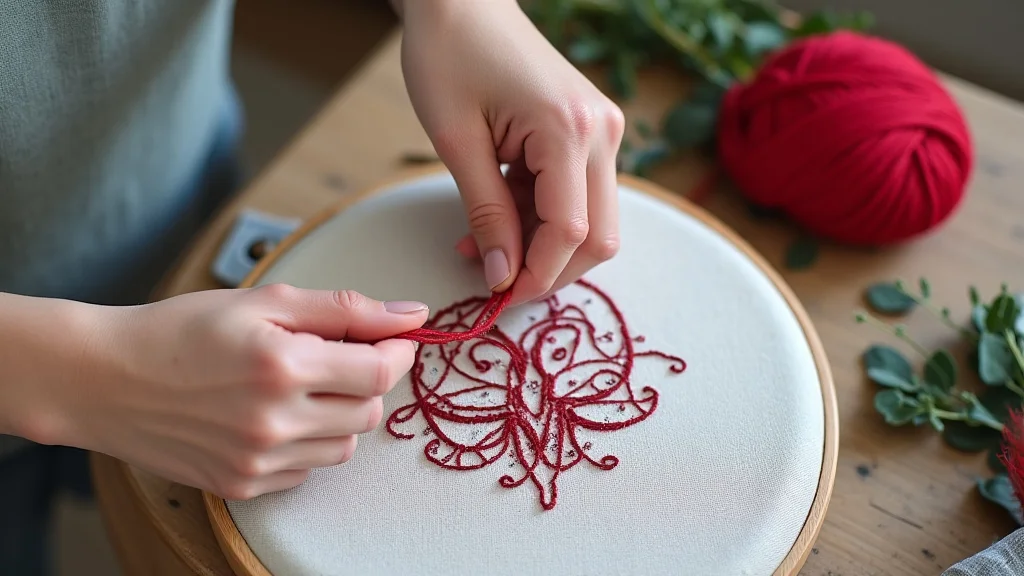
- Thread: Embroidery floss is the classic choice, available in a vast array of colors. Perle cotton, metallic threads, and yarn are all options for different effects.
- Fabric: Cotton or linen are ideal for beginners. Aida cloth is designed for counted cross-stitch, with evenly spaced holes that make the stitches easy to create.
- Scissors: Sharp, small scissors are important for cutting threads neatly. Embroidery scissors are great for precise cuts.
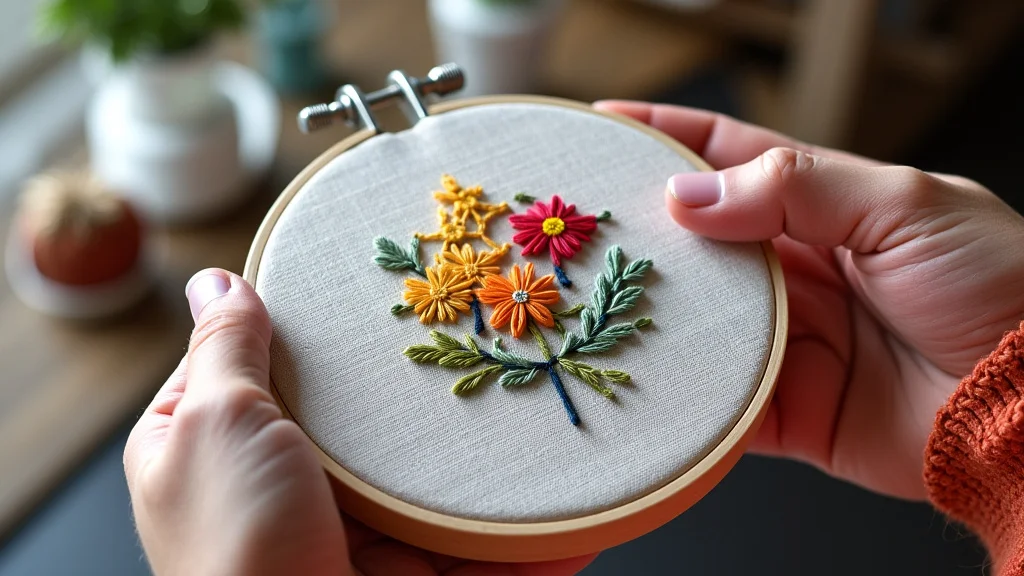
- Embroidery Hoop: This holds the fabric taut, making it easier to stitch. It also helps to prevent puckering.
Choosing the right fabric is important. Cotton and linen are very easy to work with because they have a loose weave that allows the needle and thread to move smoothly. Aida cloth is made specifically for embroidery, making the process much simpler, particularly if you’re a beginner. For example, if you are planning to work on a large piece, you can buy fabric by the yard. Cotton broadcloth is another simple choice. Remember, the material determines the aesthetic and texture of your finished work. Experimenting with different fabrics opens up a lot of creative possibilities.
Understanding Stitch Types
There are many different types of stitches in needlework, but you don’t need to know them all right away. Beginning with the basic stitches is the most beneficial approach. These core techniques form the base for every project. The more stitches you master, the more complex and visually appealing your work can become. Let’s explore some of the fundamental stitch types.
- Running Stitch: This is the simplest stitch, created by passing the needle in and out of the fabric, forming a dotted line. It’s ideal for outlines and simple details.
- Back Stitch: This stitch forms a solid line. Bring the needle up, take it back, and then bring it up again a stitch length ahead. It is great for outlining and lettering.
- Cross Stitch: Formed by two stitches that cross each other, creating an “X.” This stitch is very versatile and frequently used.
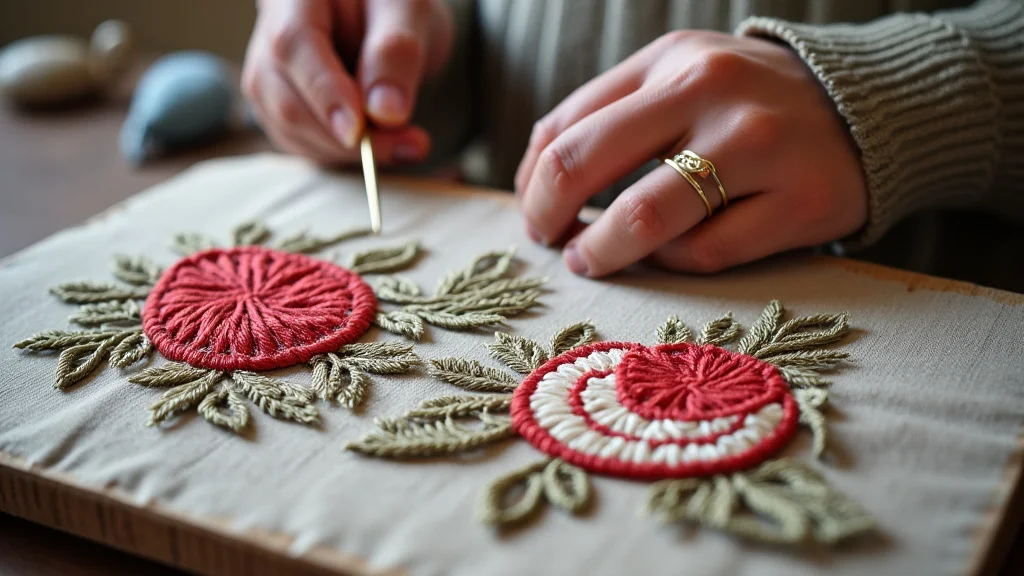
- Satin Stitch: Used to fill areas. It involves covering a space with long, straight stitches, parallel to each other. It creates a smooth, polished look.
- French Knot: This creates a small, decorative knot on the surface of the fabric. It is made by wrapping the thread around the needle and then inserting the needle back into the fabric.
Practicing these basic stitches is essential before moving onto more complex techniques. You can do this by using a simple piece of fabric and different colored threads. Experiment with the spacing and tension of your stitches. Try creating a small sampler where you can practice each stitch in a line. A sampler is a very beneficial way to develop your technique. Over time, you’ll develop a better understanding of how the stitches behave and how they affect the final result.
Starting Your First Needlework Project
Now that you know the basics, let’s move on to the fun part: starting your first project. The secret is to start small and simple. This will prevent overwhelm and keep you encouraged. Here are some of the first steps to complete your initial project, ensuring it’s enjoyable and successful.
Choosing a Beginner-Friendly Project
Select a project that’s manageable in size and has clear instructions. This allows you to focus on learning the basic techniques without becoming discouraged. The project should align with your skill level and be a source of personal satisfaction. The best initial projects are usually small, like a simple pattern on a handkerchief or a cross-stitch design on a piece of Aida cloth. This helps you get comfortable with the tools and techniques. Avoid complex patterns with too many colors or intricate details.
- Simple Cross-Stitch Patterns: These often include few colors and are repetitive, great for learning. Many free patterns are available online.
- Embroidered Handkerchiefs: A simple running stitch or stem stitch can be used to create outlines or initials.
- Small Hoop Art: Design a small, simple shape or word that is easy to stitch.
- Bookmarks: These are quick projects that let you use back stitch or running stitch for a straightforward design.
Begin by searching for basic patterns online or in craft books. Many resources also provide free downloadable patterns. When selecting a pattern, look for clear images and simple instructions. You should check to see if the pattern has a key that shows the different stitches and colors required. Pay attention to the project’s size to ensure it fits within your comfort zone. A good beginner project offers an opportunity to learn and experiment. This increases the chances of completing your first needlework project successfully.
Following Instructions and Techniques
Precise instructions are important in needlework. Follow them closely. Pay close attention to the stitch placement and color changes, as these dictate how your design comes together. Don’t worry if your stitches aren’t perfect right away. With practice, they will improve. Here’s what you need to do to begin your project:
- Prepare Your Fabric: Make sure your fabric is taut in the embroidery hoop.
- Thread Your Needle: Cut a length of thread, thread the needle, and secure the end with a knot.
- Follow the Pattern: Use the pattern as a guide for your stitches, following the color key and stitch types.
- Maintain Tension: Don’t pull the thread too tight or too loose.
- Secure Your Threads: Once you finish, secure the ends of the thread on the back of the fabric.
Take your time and enjoy the process. Needlework is a craft that rewards patience. It’s ok to pull out stitches if something doesn’t look right. Take breaks when needed. This will allow you to maintain a steady pace and reduce the risk of frustration. Remember that practice is key. With each stitch, you’ll learn something new, and your skills will improve.
Advanced Techniques in Needlework with Jim
Once you are comfortable with the basics, you can begin exploring more advanced techniques. This includes more difficult stitch types, incorporating different materials, and creating more complex designs. As you become more skilled, you’ll find that needlework offers endless opportunities for creativity and self-expression. Advanced techniques allow you to take your craft to the next level.
Exploring Complex Stitch Types
Broadening your repertoire of stitches will allow you to create intricate and visually dynamic designs. Once you have a foundation in basic stitches, try learning more advanced techniques to expand your creative options. These stitches add texture and dimension to your work.
- Chain Stitch: Creates a chain-like loop. The technique involves bringing the needle up through the fabric, looping the thread, and passing the needle back down at the same point, then bringing it up again.
- Blanket Stitch: Used to create a neat edge. The needle is brought up, then a loop is created. Then the needle is passed through the loop from top to bottom.
- Feather Stitch: Great for creating decorative lines and borders. Involves a series of slanted stitches that overlap each other.
- Spider Web Rose: A gorgeous stitch for creating detailed flowers. It’s formed by weaving thread over a series of spoke stitches.
Studying these new stitch types will expand the visual impact of your work. Each stitch type will bring a distinct texture, and the more advanced stitch types will make your creations visually interesting. You should start with one new stitch at a time. Using these stitches will improve your work and open up new avenues for creative expression. You can search online for tutorials to practice these stitch types. This will enable you to add depth and detail to your needlework projects.
Experimenting With Materials
Different materials offer you a variety of textures and aesthetics. You can experiment with fabrics, threads, and embellishments to achieve different effects in your needlework. Trying different materials can alter how your finished piece appears and feels. By doing this, you can customize your projects and create unique works of art. Materials open the door to unique and personal expressions.
- Different Fabrics: Try linen, evenweave, or velvet. These offer different textures and looks compared to the typical cotton.
- Specialty Threads: Use silk, metallic, or variegated threads. These add a touch of sparkle and a rich texture.
- Beads and Sequins: These can be sewn onto the fabric to add decorative elements.
- Ribbon: Incorporating ribbon can create additional dimension and texture.
The choice of material will significantly affect the look and feel of your final piece. Silk threads will give your work a luxurious appearance, while linen fabrics provide a more rustic charm. The fabric you choose will affect how your stitches look. Combining different materials can create an engaging and multi-layered appearance. Do not hesitate to combine different materials to explore creative ways to express yourself.
Common Myths Debunked
Myth 1: Needlework is only for old people.
In the past, needlework was primarily associated with older generations. However, today, needlework has evolved and is appreciated by all age groups. It has gained popularity among younger people, and there is a resurgence of interest in this creative activity. Many young people are joining online communities, which proves the versatility and appeal of needlework across all age groups.
Myth 2: Needlework is difficult and requires a lot of skill.
While some complex projects exist, needlework can be easy for beginners. Several simple stitches and basic patterns are designed specifically for new crafters. The focus is to start with the fundamentals and work at your own speed. As you gain more experience, you can take on more challenging projects. The joy is in the process of creating something beautiful.
Myth 3: Needlework is time-consuming and inefficient.
Needlework is an ideal activity for relaxation. While some projects take longer, it is a great way to unwind. It allows you to slow down and create something with your own two hands, offering a break from fast-paced, digitally driven lives. The result is a personalized item made with patience and a sense of accomplishment. The slow pace is a feature, not a bug.
Myth 4: Needlework is expensive.
Starting costs can be low. You can begin with a few basic materials, such as a needle, thread, and fabric. Many free patterns are available online. As you advance, you can invest in more expensive tools and materials. Needlework is a cost-effective way to express your creativity. You have control over the amount of money you invest in your craft.
Myth 5: Needlework is only for women.
Needlework has been historically associated with women, but this is a dated viewpoint. Men and non-binary individuals are also participating in needlework. There is no gender boundary when it comes to creativity. Needlework is a universally creative activity. With this inclusive atmosphere, anyone can explore their artistic abilities.
Frequently Asked Questions
Question: What’s the best type of fabric for beginners?
Answer: Cotton or linen are excellent choices for beginners due to their open weave, making it easier to see and work with stitches. Aida cloth is specifically designed for cross-stitch and is also a great choice.
Question: How do I keep my fabric from puckering?
Answer: Use an embroidery hoop to keep your fabric taut while stitching. Make sure the fabric is stretched evenly within the hoop to avoid any creases or puckering.
Question: What do I do with the ends of my thread?
Answer: When starting and finishing a stitch, secure your thread on the back of the fabric. You can do this by weaving the thread through existing stitches or tying a small knot.
Question: Where can I find patterns?
Answer: Many free patterns are available online through craft blogs, websites, and Pinterest. You can also purchase patterns from craft stores or online shops specializing in needlework.
Question: How do I choose the right needle size?
Answer: The needle size depends on the fabric and the thread you are using. Generally, a larger needle will be needed for thicker fabrics and threads. Needle packages usually have recommendations.
Final Thoughts
Needlework with Jim, at its heart, is a relaxing and rewarding craft. It offers a way to disconnect from the digital world and connect with your creative side. This journey will offer you the chance to craft beautiful objects and enjoy the process. Remember, there’s no right or wrong way to stitch. Focus on the joy of creating and the simple pleasure of making something with your own hands. Start with a straightforward project, choose simple patterns, and have fun. Don’t be afraid to experiment, learn new stitches, and incorporate your own style. With each stitch, you’ll develop new skills and add a unique element to your crafts. The most important thing is to begin. So, grab a needle, some thread, and some fabric, and explore the joy of needlework!