Remember that time you tried to follow a knitting pattern, and it was written in a language only a seasoned knitter could decipher? Frustrating, right? Well, exploring the royal school of needlework stitch bank is the same: it’s like learning a new language, but instead of words, it’s stitches! This guide will break down the intricacies of this fascinating resource, helping you decode its secrets and apply them to your own embroidery projects. You’ll gain valuable knowledge that transforms your embroidery from basic to beautiful, increasing your skills and appreciation for this classic craft. This post is for anyone looking to enrich their embroidery skills and learn more about this fantastic resource, helping your skills and confidence soar.
Key Takeaways
- The royal school of needlework stitch bank is a comprehensive guide to embroidery stitches, offering a wealth of information.
- You’ll learn about the history and significance of the stitch bank.
- You’ll discover a wide variety of stitch types and their applications.
- This guide will provide detailed instructions and techniques for mastering each stitch.
- Gain confidence in your stitching skills and elevate your embroidery projects.
- Practical examples and expert tips will guide your exploration of the stitch bank.
Unveiling the Stitch Bank
The royal school of needlework stitch bank is much more than a reference guide; it’s a treasure trove for anyone who wants to explore the beautiful craft of embroidery. It acts as an encyclopedic resource, featuring a massive collection of different stitches, each designed to give unique textures, patterns, and effects. Whether you’re just starting or a seasoned stitcher, this guide will provide a wealth of knowledge to enhance your skills. The bank also offers a rich history and practical applications, so you can learn not just how to stitch but also why each stitch is a part of the long and treasured history of embroidery.
The History and Significance of the Stitch Bank
The stitch bank’s history starts with a long tradition of hand embroidery. The craft has served many purposes, from practical everyday sewing to ornate decoration, and even as a method of communication in historical events. Embroidery has a long history, dating back thousands of years across cultures. The royal school of needlework stitch bank is a modern response to keeping this tradition alive while passing down the skills and secrets of these methods to new generations of stitchers. The bank provides accessible resources to preserve and share techniques.
- Origins: Embroidery, including many of the stitches in the bank, has roots in ancient civilizations, with examples found in Egypt and China. It became popular in Europe during the Middle Ages, often used to decorate clothing, tapestries, and religious items.
- Evolution: As time passed, embroidery techniques advanced. Each stitch would create different textures. During the Renaissance and the Victorian era, embroidery became a respected craft. The royal school of needlework, founded in 1872, helped organize and record the many available stitch techniques to keep the skills from being lost.
- Significance: Today, the royal school of needlework stitch bank keeps these techniques available to all, helping the craft flourish again. These stitches are still used in creating beautiful works, from fashion to home decor. The stitch bank ensures the skills are accessible to future generations.
Embroidery’s origins are woven into the fabric of human history. The practice is found in ancient cultures. Early embroidery was used to decorate clothing, provide practical decoration, and even as a display of social status and religious significance. The techniques were passed down from generation to generation, leading to the development of many unique and beautiful stitches.
Embroidery evolved from utilitarian to an art form. New materials and designs opened the possibilities to craft elaborate works of art. The creation of organizations like the royal school of needlework played an important part in preserving and developing these skills. It codified stitch types and established educational programs.
The royal school of needlework stitch bank continues to be a central resource for anyone. It offers training programs and produces guides and books. By preserving these skills, the bank helps the craft. They also support designers and artists to make them available to everyone.
Key Institutions in Developing the Stitch Bank
The development of the royal school of needlework stitch bank involved several key players and institutions. These included both royal patronage and leading figures in the textile arts. These groups worked to promote and preserve the art of hand embroidery, with a focus on education and excellence in craftsmanship. These institutions established the foundation for the stitch bank as the comprehensive resource we have today.
- The Royal School of Needlework: This institution, founded to revive the art of needlework, has been central. They set standards for high-quality embroidery. They created educational programs and the stitch bank.
- Early Embroidery Schools: Many schools contributed to the development of embroidery techniques. These schools also collected and documented stitch methods. These schools documented the range of stitches and their applications.
- Patrons and Designers: Both royal and noble patrons supported the development of the stitch bank. These patrons provided funding and recognition for the craft. Designers have also contributed to the stitch bank by creating new stitches and techniques.
The Royal School of Needlework has served as a central institution for embroidery. They provide training and promote the craft of hand embroidery. Their courses and exhibitions have influenced generations of embroiderers. The stitch bank emerged as a core element of its educational curriculum.
Besides the Royal School, many different schools contributed to the growth of embroidery. They organized courses and workshops. Many of these schools collected and recorded stitch methods. Their work helped preserve embroidery skills and practices. These actions helped form the foundation of resources like the stitch bank.
Royalty and noble figures played a part in the development of embroidery. They funded projects and helped the art become highly valued. These actions helped promote the craft, which supported the development of resources like the stitch bank. Leading designers and instructors also contributed by documenting new and innovative stitches.
Exploring Stitch Types
The core of the royal school of needlework stitch bank lies in its amazing range of stitch types. Each stitch offers a special appearance and texture. From simple running stitches to complex, raised stitches, each has its purpose. Learning these stitches allows you to build textures and designs. By knowing these stitches, you can bring your creative vision to life. The following sections will look at the different stitch groups.
Basic Stitches: The Foundations
Basic stitches are the building blocks. They are the essential stitches. These are the running stitch, back stitch, and the stem stitch. These are the stitches that any beginner will start with. These easy stitches form the foundation of nearly every embroidery project, providing a great place to start your journey into needlework. Understanding the basics makes learning more advanced techniques easier.
- Running Stitch: This is the simplest stitch. It involves passing the needle in and out of the fabric. It is used to create simple lines, patterns, and to fill in areas. This stitch is used in almost every embroidery project.
- Back Stitch: This stitch makes a solid line. The needle comes up, then goes back to the end of the previous stitch. It is used to create outlines, lettering, and detailed designs. It forms a durable and sturdy line.
- Stem Stitch: The stem stitch is another fundamental stitch. It’s used for creating curved lines and stems. It creates a slightly raised, textured line. It is great for creating outlines of flowers.
The running stitch involves creating a series of even stitches. This stitch creates dotted lines. It is used for outlines and filling small areas. Despite its simplicity, the running stitch is highly versatile and works with many designs and fabrics.
The back stitch creates a firm, unbroken line. Each stitch overlaps the previous, creating a strong line, and a durable design. It is used for a variety of tasks, from detailed outlines to bold patterns.
The stem stitch creates a smooth, flowing line. The needle comes out slightly to the side of the previous stitch, giving a raised effect. It’s especially useful for creating curved lines, such as stems, outlines, and lettering.
Decorative Stitches: Adding Texture and Detail
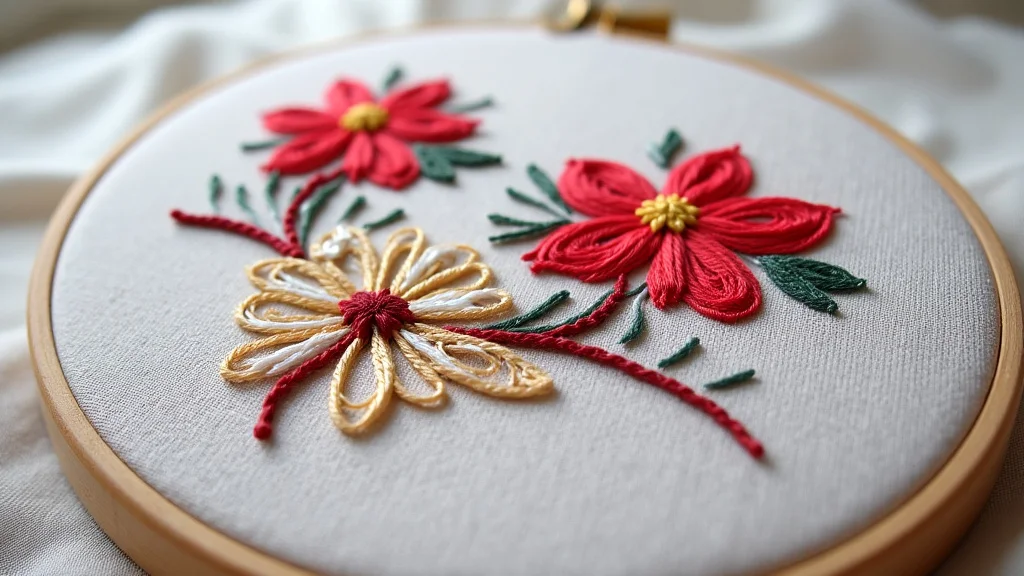
Decorative stitches add personality to your projects. These include the chain stitch, lazy daisy, and the satin stitch. These stitches add texture and detail. They turn simple projects into impressive pieces. These techniques allow you to explore different textures and styles.
- Chain Stitch: The chain stitch creates loops. These loops form a chain. You can create continuous lines, borders, or fill in areas. It’s a textured stitch, great for creating outlines of projects.
- Lazy Daisy Stitch: This stitch creates individual loops, like petals. It looks like a small flower. It is often used to create flowers and other natural designs. It is easy to create.
- Satin Stitch: This stitch fills an area with smooth, even stitches. Stitches are placed closely together. This stitch is used to create smooth, solid shapes. It is great for shapes like leaves or petals.
The chain stitch builds a chain of loops. Each loop is connected to the previous. This stitch can create beautiful borders, fills, and patterns. Using this stitch gives projects added dimension and visual interest.
The lazy daisy stitch is a single chain stitch secured at the end. It’s often used to make simple flowers, leaves, or scattered decorative elements. It’s easy to make, adding a cute, handcrafted effect to designs.
The satin stitch fills in the design space. It involves creating a series of straight stitches close together. It creates a smooth and raised effect. It is a fantastic stitch for filling shapes and creating texture.
Specialty Stitches: Advanced Techniques
Specialty stitches involve more complex techniques. These include the French knot, bullion knot, and the cross stitch. These stitches give added texture. They provide opportunities for creative expression. Master these techniques to enhance your skills.
- French Knot: A small, knotted stitch, that adds texture. It is made by wrapping the thread around the needle. These knots can be used to create detailed textures.
- Bullion Knot: This creates a coil. The thread is wrapped several times around the needle. This is an advanced stitch. It can be used to create raised details and textured effects.
- Cross Stitch: The cross stitch is made by creating two stitches that cross each other. They create an “X” shape. It is used for both simple and complex designs. It can be used for a wide range of projects.
The French knot adds texture to any design. Wrapping the thread around the needle makes the knot. This gives a beautiful, decorative effect. You can use these knots to create highlights and details.
The bullion knot forms an extended coil of thread. This creates a raised, three-dimensional effect. It’s a more advanced technique. It is useful for creating textured features in designs.
Cross stitch is a classic technique. It consists of two stitches that cross over each other. This is used for designs and patterns. This is often done on Aida cloth or evenweave fabric.
Applications and Techniques
Knowing the different stitches is one thing, but knowing when and how to apply them is what sets apart an embroiderer. The royal school of needlework stitch bank not only details each stitch but also includes techniques for putting them into practice. Understanding how to use the stitches, along with learning about color and fabric, helps you create beautiful embroidery pieces.
Choosing the Right Fabric
The fabric you choose is a critical decision in any embroidery project. The right fabric not only supports your stitching but also has an impact on the final appearance. Understanding fabric types and their suitability to particular stitches is essential for success. Always consider the fiber content, weave, and weight to achieve the best results.
- Aida Cloth: This fabric is known for its grid-like structure. It is great for beginners, as it makes following patterns easier. It is best for cross-stitch and other counted thread techniques.
- Linen: Linen is a durable and versatile fabric. It is suitable for a wide variety of stitches. It provides a smooth surface for embroidery. It provides a luxurious look.
- Cotton: Cotton is a popular and versatile option. It’s available in many forms. It can be used with a range of stitches. It’s often more affordable, making it a great choice for various projects.
Aida cloth is a type of fabric specifically designed for cross-stitch and similar counted thread embroidery techniques. Its open weave helps the needle easily pass through, helping the stitcher to create neat stitches. The grid-like structure provides visual guidance.
Linen is a natural fiber fabric. It provides a stable and long-lasting base for embroidery. Linen’s woven structure provides a slightly rough texture that can give your work a special look. It is suitable for projects, from simple designs to intricate creations.
Cotton fabrics are ideal for embroidery. The fabric is smooth and easy to work. It’s available in different types. It provides a great look for a variety of projects. Cotton’s versatility and price make it a preferred choice for stitchers of all skill levels.
Using the Right Thread
Thread choice will influence the look of your design. The texture, weight, and color all play a role in the outcome. Different threads are suited to specific stitches and fabrics. Experimenting with different threads helps you add depth and individuality to your work. Making this decision is a key step.
- Embroidery Floss: This is the most popular type of thread. It has six strands. Each strand can be separated to control the thickness. It comes in a range of colors.
- Pearl Cotton: This thread is tightly twisted. It has a glossy appearance. It is great for creating bold details and textured stitches. It gives the project definition.
- Silk Thread: Silk thread offers a luxurious feel. It provides a soft, shimmering appearance. It is ideal for detailed work and creating high-end projects. Its properties give a refined look.
Embroidery floss is a versatile choice for embroidery. Made of six strands of thread, it can be separated to adjust the thickness. It’s available in a huge range of colors, making it a great option for any project.
Pearl cotton, known for its luster, is a strong choice for embroidery. Its tight twist adds dimension to your designs. It is available in various weights. This makes it suitable for stitches that need a raised or textured look.
Silk thread is renowned for its smooth texture and elegant sheen. This thread is used to create beautiful details in projects. Silk thread is made from natural fibers, producing a look that’s suited to decorative projects.
Color and Design
Color choice and design composition are essential for a good-looking embroidery project. The right mix of colors can bring a design to life. Planning your design and choosing the right colors will make the project better. These techniques are what separates beginners from experienced embroiderers.
- Color Theory: Learning about color theory (primary, secondary, and tertiary colors). Understanding how different colors work together. This will help you choose combinations. Consider color palettes.
- Design Composition: Planning your design will improve your project. Think about the layout and balance. Sketch your design before you start. This allows you to plan out your project.
- Transferring Designs: Transferring designs onto the fabric is key. It ensures precision. Use transfer pens or tracing methods. Make sure that you are able to clearly see the design.
Color theory helps the user understand how colors mix, what goes well with each other, and how the user can create certain effects. This will aid in creating designs. By understanding how colors work together, you can create visually appealing projects.
Carefully planning your design improves the project. Consider the arrangement and the space, or where the design elements are placed on your fabric. Create a sketch to help you visualize your design. Proper planning is essential for a good design.
Transferring a design onto fabric helps guide the embroidery process. Users can trace with a transfer pen or use other methods. This ensures the design is transferred and easy to see. Doing this allows for precise stitching.
Common Myths Debunked
Myth 1: Embroidery is Only for Experienced Stitchers
Embroidery can be enjoyed by everyone, regardless of skill level. The royal school of needlework stitch bank contains tutorials and techniques for any level. With practice and patience, beginners can learn. There is no need for expertise to begin.
Myth 2: Embroidery is Time-Consuming and Difficult
Embroidery can be as easy or as involved as you want it to be. Many simple stitches are perfect for beginners. The stitch bank guides you with instructions, making the craft accessible and enjoyable. Each project can range, from quick creations to long-term ones.
Myth 3: Embroidery is Outdated
Embroidery is still a popular craft. It’s a creative outlet, and it is also often a stress-relieving activity. Many artists, designers, and fashion houses use it. It continues to evolve with new materials and methods. The stitch bank helps keep it current.
Myth 4: You Need Expensive Materials
You can begin with basic supplies. You can start with a needle, thread, and fabric. Many options are available at affordable prices. The joy of embroidery is the experience of creating something by hand. It does not require high expense.
Myth 5: All Embroidery Needs to Be Perfect
Embroidery is meant to be enjoyed. The beauty of handmade work is that it’s unique. Small imperfections give it character. The royal school of needlework stitch bank guides you to improve your skills. Focus on the joy of creating.
Frequently Asked Questions
Question: How do I choose my first embroidery project?
Answer: Start with a simple design with basic stitches and a small area to work on. This will help you practice and improve your skills.
Question: What’s the best fabric for a beginner?
Answer: Aida cloth is a good choice for beginners because of its easy-to-follow grid structure.
Question: How do I keep my fabric taut while stitching?
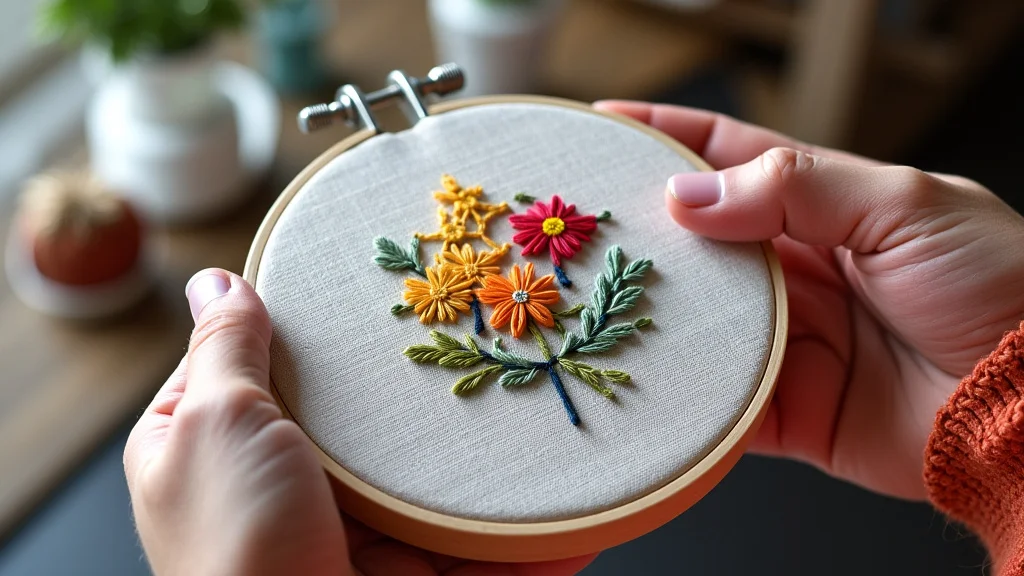
Answer: Use an embroidery hoop or frame to keep the fabric taut. This makes it easier to stitch.
Question: How do I start a new thread?
Answer: Leave a small tail of the thread on the back, then stitch over it to secure the end.
Question: Can I wash my finished embroidery?
Answer: Yes, you can wash finished projects, but gentle hand washing is usually recommended.
Final Thoughts
The royal school of needlework stitch bank is not just a resource; it’s a gateway to a craft rich in history, creativity, and self-expression. By exploring its rich content, from stitch types to color palettes, you are equipped with the knowledge needed to bring your creative vision to life. Remember, the journey of an embroiderer is as important as the destination. Embrace the learning, don’t be afraid to experiment, and enjoy the satisfaction of creating. So, pick up a needle, choose your thread, select your project, and start your own embroidery adventure today. Your skills will improve with practice. You’ll also learn the joys of handmade crafts.