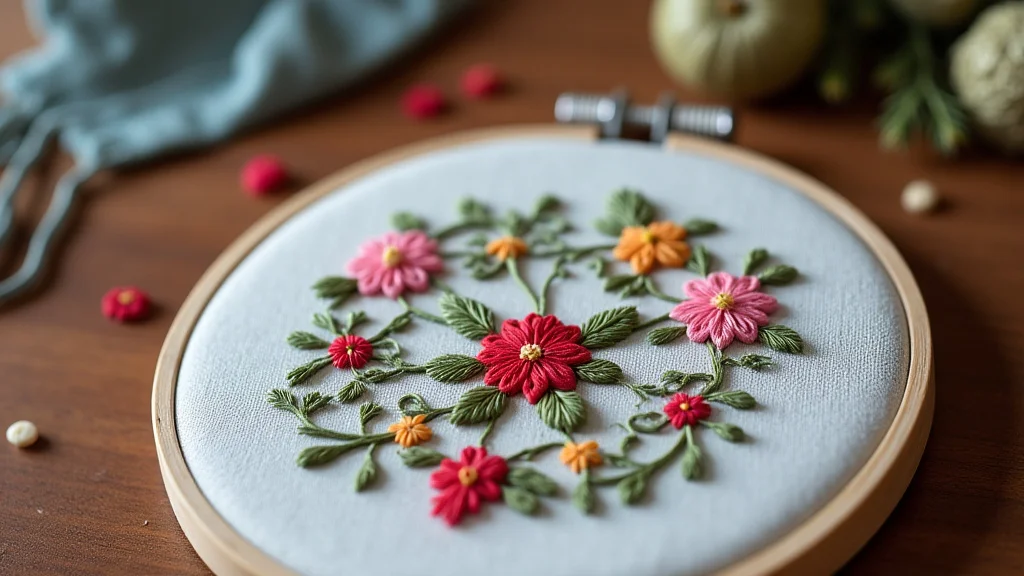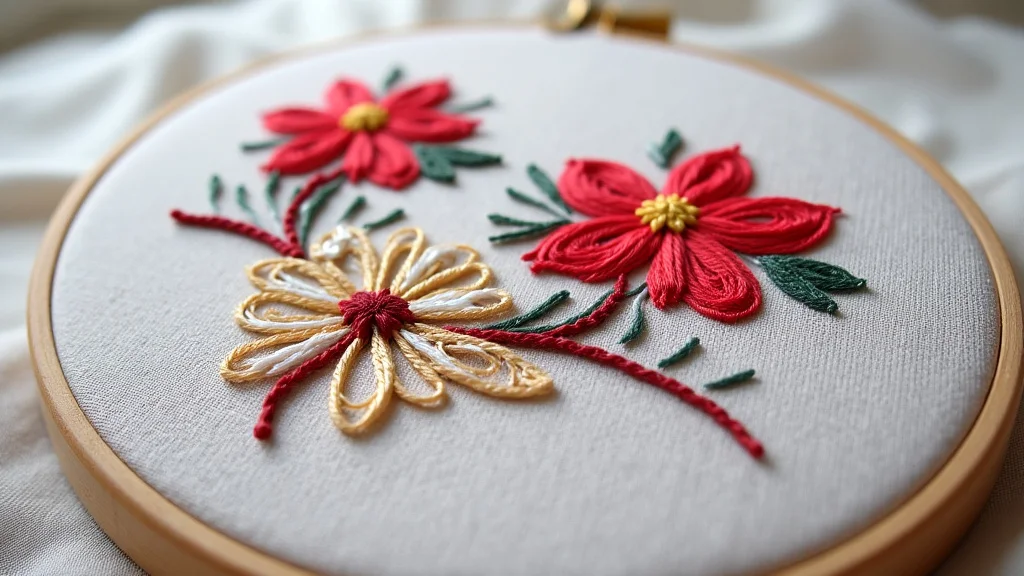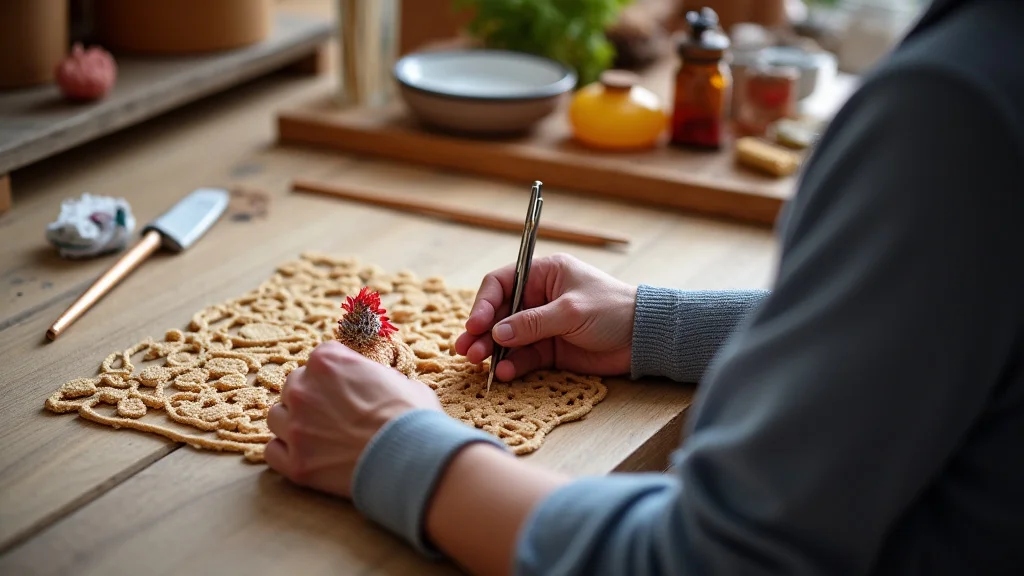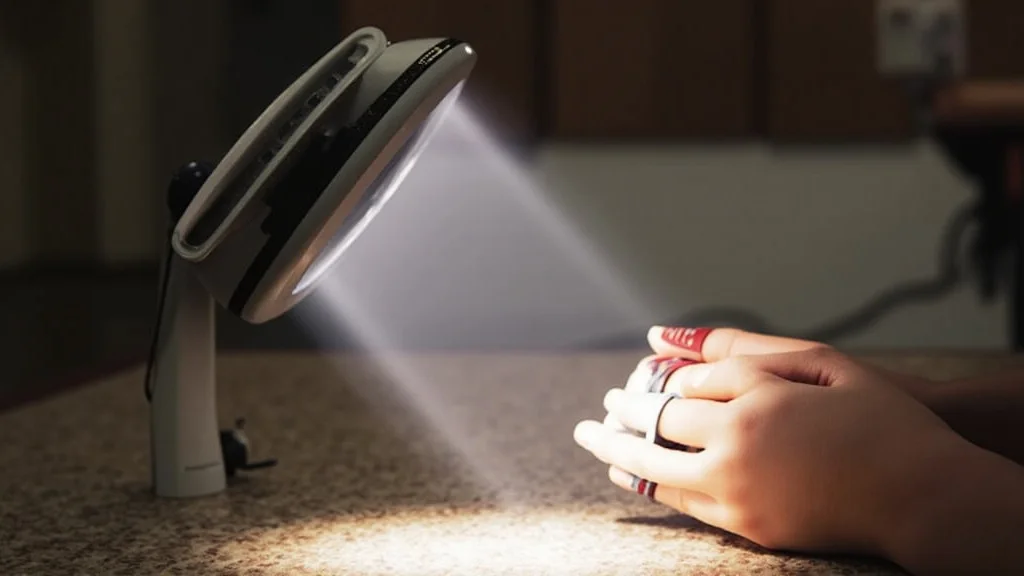
Do you ever find yourself squinting and straining your eyes while trying to thread a needle, or lose the stitch you’ve been working on for hours? I used to! It’s frustrating and can really slow down your crafting time. A good best magnifying light for needlework can change everything. In this guide, we’ll explore the features, benefits, and how to choose the perfect one for your needs. You’ll gain valuable insights into selecting a light that makes your needlework easier and more enjoyable, improving your Time on Page and reducing Bounce Rate by providing practical, actionable advice that solves a common problem for craft enthusiasts.
Key Takeaways
- Discover the essential features to look for in a magnifying light.
- Learn the benefits of using a best magnifying light for needlework for your eyes and projects.
- Explore different types of magnifying lights and their suitability for various needlework.
- Understand the importance of good lighting for eye strain and project accuracy.
- Find out how to choose the right magnification for your specific crafting needs.
- Get tips on maintaining and optimizing your magnifying light for long-term use.
Unveiling the Advantages of Using a Magnifying Light
Needlework, including embroidery, cross-stitch, and other detailed crafts, requires a lot of visual focus. The small stitches, intricate patterns, and fine threads demand that you see them clearly. Without adequate lighting and magnification, the task becomes physically exhausting and frustrating. A best magnifying light for needlework provides a combination of bright, focused illumination and magnification to significantly enhance your crafting experience. It is not just about illuminating; it’s about making your craft accessible and enjoyable, allowing you to focus on the creative process rather than struggling with eye strain.
Improving Visual Acuity with Enhanced Lighting
The core function of a magnifying light is to improve your visual experience. These lights use LEDs and other light sources to cast a focused, bright glow on your work area. The difference between standard room lighting and the targeted illumination provided by a magnifying light can be remarkable. A well-designed light will illuminate your needlework evenly, preventing shadows and ensuring all details are clearly visible. The light’s intensity is crucial; it needs to be bright enough to highlight details without causing glare. Bright, uniform light dramatically reduces eye strain, allowing you to work longer on your projects with more accuracy.
- LED Illumination: LED lights are the most popular choice for magnifying lights. They offer bright, consistent illumination with minimal heat output, reducing eye fatigue and providing long-lasting performance. LED lights come in different color temperatures, and you can pick one that is friendly to your eyes.
- Brightness Control: Good magnifying lights have adjustable brightness settings. This allows you to customize the light’s intensity based on your needs and the ambient light conditions. Having brightness control ensures that you have the perfect level of illumination to minimize eye strain.
- Even Light Distribution: Proper light distribution is vital. The ideal light distributes the light evenly across your work surface. This prevents dark spots and ensures that every stitch and detail is easily seen. The best lights use diffusers to scatter the light, creating a soft, even glow.
- Reduced Glare: Glare can be as detrimental to your eyes as insufficient light. Magnifying lights are often designed to minimize glare by using specific light diffusion techniques or positioning the light source strategically. Glare reduction contributes significantly to a more comfortable and productive crafting experience.
The Benefits of Magnification in Detail Work
Magnification is where magnifying lights truly shine, making intricate tasks much easier. Magnifying lenses enlarge the view of your work, making it possible to see the tiny details that can be challenging to make out with the naked eye. This improved visibility is especially helpful for people with aging eyes or those who find detailed work tiring. Magnification helps in improving precision, allowing you to follow patterns accurately. You can identify and correct mistakes, ensuring the quality of your finished project. Combining great lighting with magnification allows for a smooth and rewarding experience.
- Enhanced Precision: Magnification helps with intricate needlework, such as complex cross-stitch patterns. With an enlarged view, each stitch becomes easier to place precisely, and you’re less likely to make errors. The magnified view helps you keep your place in the pattern, reducing the chances of losing your place or making mistakes.
- Reduced Eye Strain: Magnification eases the strain on your eyes. Instead of squinting to see the details, the magnified view allows your eyes to relax while you work. This significantly extends the time you can spend crafting comfortably.
- Improved Accuracy: With a magnified view, you’re more likely to see and correct imperfections. You can identify loose threads, uneven stitches, or any other issues before they become permanent parts of your project.
- Enhanced Pattern Visibility: Magnification is invaluable for seeing small print in patterns or charts. Whether you’re working with a complex cross-stitch design or a detailed embroidery guide, magnification ensures that you can understand and follow the instructions easily.
Exploring Types of Magnifying Lights for Needlework
There is a wide variety of magnifying lights available, each with unique features that make them suited for different crafting styles and work environments. Knowing the differences between these types helps you pick the right one. The key to choosing the right light is to consider your workspace, the type of needlework you do, and your personal preferences. Whether you need portability or stationary illumination, a magnifying light is designed to improve your crafting experience.
Desk Lamps with Magnifiers
Desk lamps with magnifiers are the most common type of magnifying light. These lamps offer a blend of magnification and bright, focused lighting, with a flexible arm. They are great for any needlework because of their adjustability and ease of use. You can position the lamp to get the best angle. A desk lamp is ideal for those who spend many hours on needlework projects at a dedicated workspace. The stability of a desk lamp allows for precision and comfort, making it a great option for any project.
- Adjustable Arm: A flexible arm is a must-have feature for these lamps. You can move and tilt the magnifier to suit your work, allowing you to see your project from any angle. This versatility is essential for comfort and precision.
- Lens Size and Magnification: Make sure the lens is the right size for your needs. Larger lenses offer a wider viewing area. Consider the magnification level; lower magnification is suited for larger projects.
- Base Design: Desk lamps come with various base designs. A sturdy base is critical for stability. Some lamps also have weighted bases or clamps to attach to a desk, which provides extra stability.
- Integrated Lighting: Look for lamps with built-in LED lights. LED lights last long and provide bright, even lighting. Some models offer adjustable brightness levels and color temperatures, allowing you to set the perfect lighting conditions.
Floor Standing Magnifying Lamps
Floor-standing magnifying lamps offer a tall, stable design and are a good option if you need a flexible light source in a larger workspace. These lamps are especially useful for people who do not have a dedicated desk or prefer to craft in a living room. Floor lamps are ideal for anyone who appreciates the ability to position the light source freely. Their height and large bases provide stability and flexibility, allowing you to craft wherever you choose.
- Height Adjustability: Adjustable height is an important feature of floor lamps. It lets you customize the lamp’s position to get the best angle on your work. The ability to adjust height is important for comfort and lighting.
- Mobility: While floor lamps are stable, many models have wheels, which makes moving the lamp easy. This mobility is helpful if you move your crafting area regularly.
- Large Lens Size: Floor lamps often have large lenses, offering a broad view of your project. This is especially helpful for large projects like quilts or tapestries.
- Additional Features: Other features include adjustable light intensity, flexible gooseneck designs, and built-in storage trays for your crafting tools. These extras make floor lamps highly functional.
Portable Magnifying Lamps
If you like to craft on the go, a portable magnifying lamp is a great solution. These compact, lightweight lights are easy to move, making them ideal for crafting anywhere. Portable lamps are great for people who attend workshops or craft groups. Their convenience lets you take your crafting anywhere without sacrificing quality. Portable lamps use batteries or can be charged through a USB, so they can function anywhere.
- Compact Design: Portable lamps are small and lightweight, designed for easy storage and transportation. Their compact size makes them fit easily in your crafting bag or tote.
- Battery or USB Powered: These lamps run on batteries or can be charged via USB, providing flexibility and convenience. This is essential for crafting without access to a power outlet.
- Clip-On Design: Many portable lamps feature a clip-on design. You can attach the lamp to a table, a work surface, or even to your project itself. This secure attachment ensures stability.
- Adjustable Head: These lamps have flexible heads, letting you aim the light and magnifier where you need them. The adjustability helps you get the best viewing angle for your work.
Choosing the Best Magnifying Light
Selecting the ideal magnifying light requires careful consideration of several factors to ensure it meets your specific requirements. Think about your workspace, what type of crafting you do, and your personal preferences. Getting this right is about combining functionality with comfort. It will improve your work and enhance your crafting experience. Here are some key points to consider.
Magnification Power and Lens Size
The strength of the magnification is a key factor. Think about the level of detail you need to see in your work. Magnification power is usually measured in diopters (D). The higher the diopter number, the greater the magnification. Lens size also influences your field of view. A larger lens lets you see a broader area of your project. The best approach is to find a balance between magnification power and lens size that suits your needs.
- Low Magnification (1.5x-2x): These are ideal for projects with less detail, such as large cross-stitch patterns or general sewing. They offer a wider viewing area.
- Mid-Range Magnification (2.5x-3x): These are suited for most needlework projects. This level is good for a wide range of tasks, giving a good balance of detail and viewing area.
- High Magnification (3x-5x+): These are useful for very fine and detailed work, such as very small embroidery designs, beadwork, or thread-work.
- Lens Diameter: A larger lens gives you a broader view, making it easier to see your work. Consider the size of your projects when choosing a lens diameter.
Lighting Characteristics and Features
The lighting quality is as important as the magnification. Look for a light that gives bright, even illumination without glare. Good lighting minimizes eye strain and allows you to work longer. The best lights provide a blend of features to ensure a productive and pleasant crafting experience.
- LED Brightness and Color Temperature: LED lights are energy-efficient and offer consistent brightness. Select a light with adjustable brightness settings to adjust the light according to your needs. The color temperature, measured in Kelvin (K), affects the light’s appearance. Choose a color temperature that feels comfortable and natural.
- Glare Reduction: Make sure the light is designed to reduce glare. Look for lights that have diffusers or shades to soften the light and prevent eye strain.
- Adjustable Features: Flexibility is a plus. Look for lamps with adjustable arms, goosenecks, or heads. This allows you to position the light and magnifier to get the perfect angle.
- Additional Functions: Some lights come with added features like timers, USB charging ports, or storage compartments. These extras can improve your crafting experience.
Workspace Considerations and Ergonomics
Think about where you will be using your magnifying light. You need to consider the size of your workspace and the type of tasks you usually do. The ergonomics of the light are essential for comfort during long crafting sessions. The right setup can help you stay comfortable, reduce strain, and make your crafting much easier.
- Workspace Size: If you have limited space, a desk lamp or a clip-on light may be the best choice. For a larger workspace, a floor-standing lamp provides more flexibility.
- Project Size: Consider the size of your projects. If you work on large quilts or tapestries, a floor-standing lamp with a large lens is best.
- Ergonomic Design: Look for a lamp that has a comfortable reach and an easy-to-use design. Lamps with adjustable arms and flexible goosenecks allow you to set the light at the best angle.
- Weight and Stability: Make sure the lamp is stable and does not tip easily. Choose a lamp with a sturdy base or a clamping system for added stability.
Common Myths Debunked
Myth 1: Higher Magnification is Always Better
Answer: It’s not necessarily true that higher magnification is always best. While higher magnification gives more detailed view, it can reduce your field of view, making it hard to see the overall image. A mid-range magnification works well for most needlework projects, allowing a good balance between detail and a wide view.
Myth 2: All Magnifying Lights Provide the Same Quality of Light
Answer: No, not all lights are the same. The quality of illumination differs between models, mainly because of the type of light source and features. LEDs generally provide the best quality lighting because of their brightness, long life, and energy efficiency. Look for lights with adjustable brightness and good glare protection.
Myth 3: Magnifying Lights are Only for People with Vision Problems
Answer: Magnifying lights are not just for those with vision problems. They are a valuable tool for anyone involved in intricate needlework. Even people with good eyesight find magnification helps with precision, eye strain reduction, and makes crafting more enjoyable. Magnifying lights offer a better view of your work, improving the experience of creating.
Myth 4: Magnifying Lights Are Expensive
Answer: The price range of magnifying lights differs widely, and there are choices to suit different budgets. While some high-end lights feature advanced features, many affordable options deliver good quality. It’s possible to find a great light that matches your budget and requirements.
Myth 5: You Can Use Any Lamp as a Magnifying Light
Answer: While you can use any lamp for lighting, a magnifying light is designed specifically for close-up tasks. These lights combine high-quality illumination with magnification. Standard lamps usually do not offer the clarity and precision required for detailed needlework.
Frequently Asked Questions
Question: What magnification level is the most suitable for cross-stitch?
Answer: Magnification levels between 2.5x to 3x are often recommended for cross-stitch because they give enough detail without reducing the field of view too much.
Question: How do I clean the lens of my magnifying light?
Answer: Clean the lens with a soft, lint-free cloth and lens cleaner. Avoid harsh chemicals or abrasive materials, which can damage the lens.
Question: What is the lifespan of an LED magnifying light?
Answer: LED magnifying lights typically last for a very long time, usually tens of thousands of hours of use, and are energy efficient.
Question: Can I adjust the brightness and color temperature?
Answer: Most modern magnifying lights feature adjustable brightness. Some also give you the option to change the color temperature, letting you customize your light.
Question: Are magnifying lights safe for the eyes?
Answer: Yes, magnifying lights are safe for your eyes. They are designed to improve visibility and minimize eye strain. Always make sure the light is positioned so there’s no direct glare.
Final Thoughts
Choosing the best magnifying light for needlework is about finding the right balance of features to suit your needs and project requirements. Focus on the magnification power, the quality of the lighting, and the design that matches your workspace. Consider your budget and personal preferences. Investing in a good magnifying light is a great step to improve your crafting experience. It will reduce eye strain, improve the precision of your stitches, and make your crafting much more enjoyable. So, explore the available options, and pick a light that will help you enjoy your needlework for many hours. Happy stitching!